CNC customized machining is the most reliable production solution for precision samples, mechanical parts, equipment components, and industrial non-standard parts. However, due to non-standard ordering processes and incomplete requirement descriptions, most procurement companies frequently encounter issues such as delivery delays, substandard accuracy, inconsistent appearance, rework, and scrap. This article summarizes the entire process of ordering standardized CNC customized parts, helping everyone to efficiently complete procurement and avoid common operational errors.
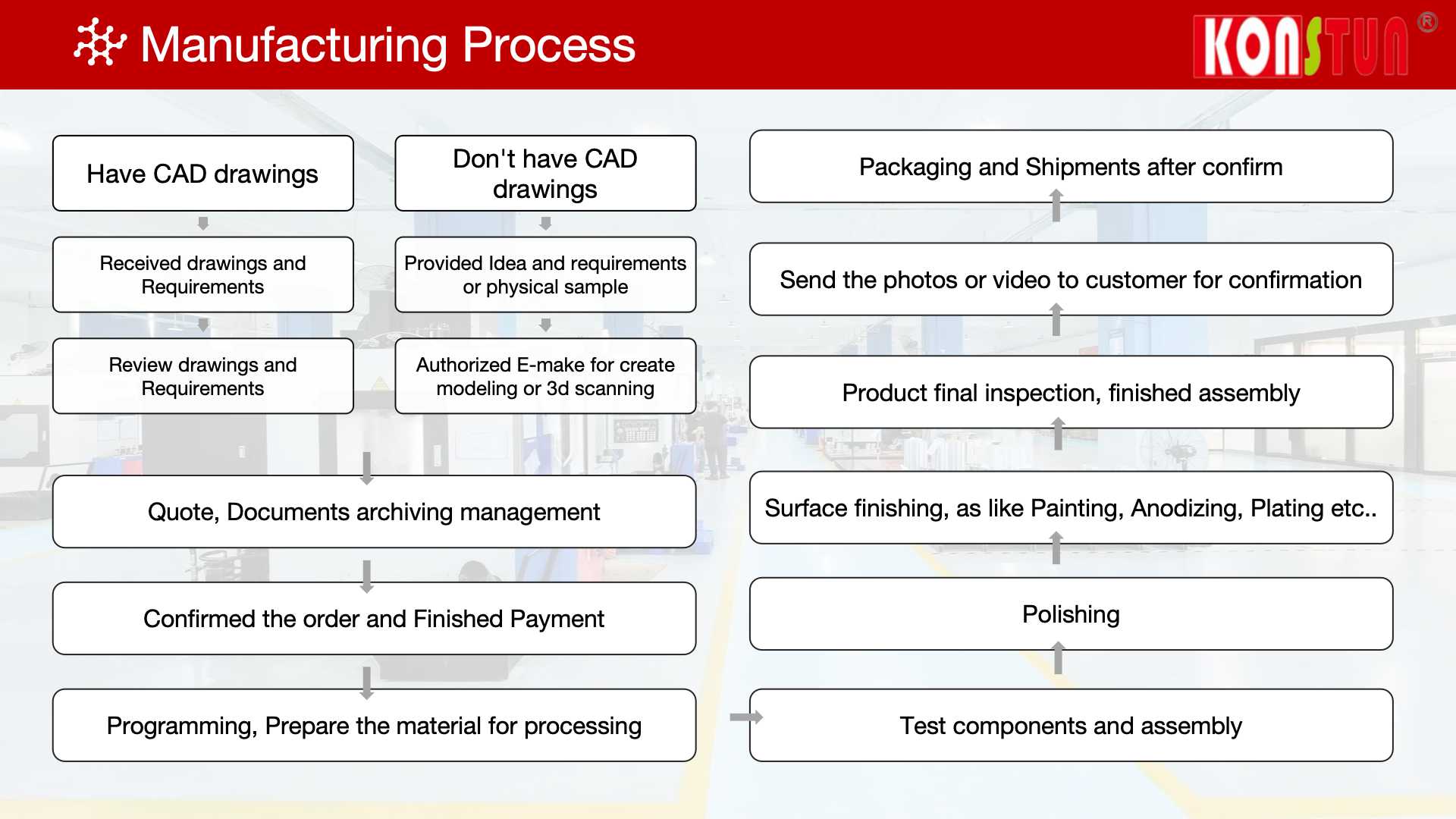
Complete and clear technical requirements are the premise of accurate CNC customization. Before submitting an inquiry, you need to confirm core parameters including material type, machining tolerance, surface finish and production quantity, which directly affect cost, quality and lead time of custom cnc parts.
Material Selection
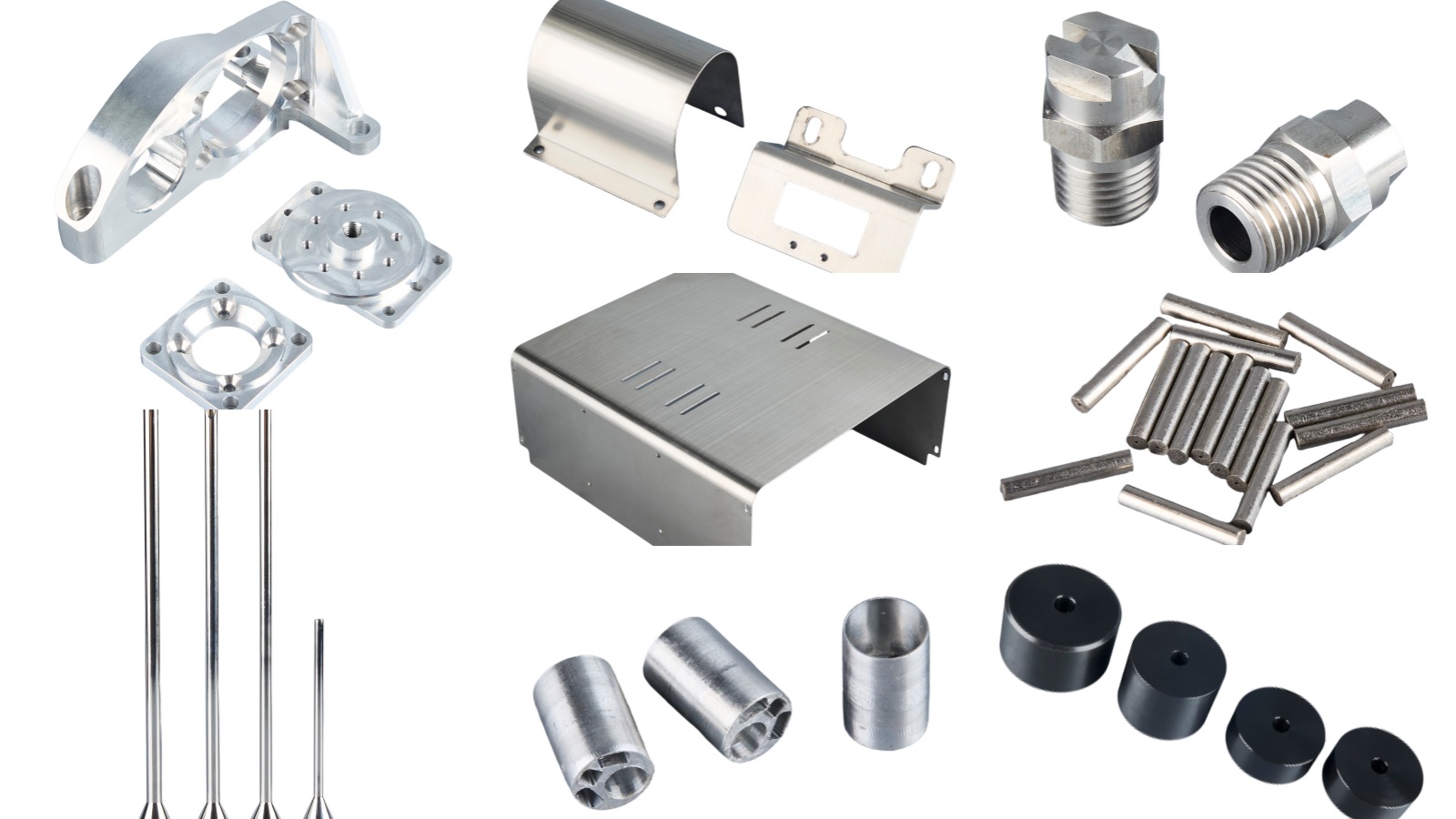
Select suitable materials according to product application scenarios and performance needs. Common CNC machining materials include aluminum 6061/7075, stainless steel 304/316, titanium alloy, brass, copper, and engineering plastics such as PEEK and POM. Reasonable material selection can effectively control costs while meeting product performance standards.
Machining Tolerance Standard
Tolerance is the key index affecting part assembly accuracy. Ordinary commercial parts adopt standard tolerance ranges, while high-end fields such as medical and aerospace require tight tolerance cnc machining. Clearly marking tolerance requirements can avoid rework caused by insufficient precision.
Surface Finish & Secondary Processing
Surface treatment determines the appearance, corrosion resistance and wear resistance of CNC parts. Common processes include sandblasting, anodizing, polishing, electroplating, passivation and heat treatment. Buyers need to confirm secondary processing requirements in advance to ensure finished parts meet assembly and aesthetic standards.
Prepare Standard Machining Drawing Files
Professional custom CNC machining requires complete drawing documents, which is the key foundation for smooth production. Many processing errors and quotation deviations are caused by incomplete or non-standard drawing files. Mastering correct file preparation rules is essential for the custom cnc parts ordering process.
Required File Formats
Formal CNC customization requires matched 3D and 2D files. 3D files (STEP/IGES) are used for CNC programming and tool path generation, while 2D PDF drawings are used for marking dimensions, tolerances, threads and special processing notes.
Drawing Preparation Notes
Ensure that the data of 3D and 2D drawings is consistent, and mark all key dimensions and special requirements completely. Avoid ambiguous descriptions and missing tolerance marks, which are the most common mistakes when ordering custom cnc parts.
Submit Inquiry and Get Accurate CNC Machining Quotes
After completing file preparation and requirement confirmation, you can send drawings and detailed needs to professional CNC manufacturers. Providing complete information helps suppliers deliver fast and detailed quotations, which is the core way to how to get accurate cnc machining quotes and avoid hidden costs.
Production, Quality Inspection and Delivery
Formal CNC customization includes rough machining, finish machining, deburring, secondary surface treatment and strict quality control. Professional suppliers will conduct full dimension detection and tolerance verification to ensure all parts meet design standards. The custom cnc parts lead time varies according to part complexity, process difficulty and order quantity.
Common Mistakes When Ordering Custom CNC Parts
Most quality problems and delayed deliveries stem from non-standard ordering operations. The typical mistakes include missing tolerance marks on drawings, unreasonable material selection, over-tolerance design, unclear surface treatment requirements, and incomplete drawing files.
FAQ about how to order custom cnc parts
What files do you need for ordering custom CNC parts?
You need matched STEP/IGES 3D files and PDF 2D engineering drawings. 3D files support machining programming, while 2D drawings define tolerances, threads and surface finish requirements.
How long does it take to get custom CNC parts?
Prototype orders take 3–7 working days, and small-batch mass production takes 7–15 working days. The specific lead time depends on part complexity, tolerance difficulty and secondary processes.
How to ensure the quality of custom CNC machined parts?
Confirm clear technical requirements before production, adopt strict dimension and tolerance inspection during processing, and require suppliers to provide quality inspection reports and material certification documents.
How to reduce costs when ordering custom CNC parts?
Avoid over-tight tolerance design, select cost-effective materials according to actual needs, optimize part structure following DFM guidelines, and clarify all requirements at the inquiry stage to reduce rework risks.
Conclusion & Custom Service CTA
Ordering custom CNC parts is a systematic and standardized process. Complete drawings, clear parameter requirements, strict sample confirmation and standardized production inspection are the keys to obtaining high-precision and high-qualified CNC parts. Standardized procurement steps can effectively avoid quality risks, cost waste and delivery delays, helping buyers complete parts procurement efficiently.
Looking for a reliable custom CNC machining supplier? Send your drawing files and project details to our team. We provide free DFM analysis, accurate custom quotes, strict quality control and global fast delivery services to meet all your CNC customization needs.






 Phone
Phone
Comment
(0)