In custom precision parts manufacturing, 3D printing and CNC machining are the two most mainstream processing technologies. Many engineers and purchasers are confused about process selection: which process is more precise? Which one is cheaper for prototyping? Which is suitable for mass production? This article systematically compares 3D printing and CNC machining from basic definitions, core advantages, inherent limitations, parameter differences and application scenarios, providing a standardized selection basis for custom part processing.
What Is CNC Machining?
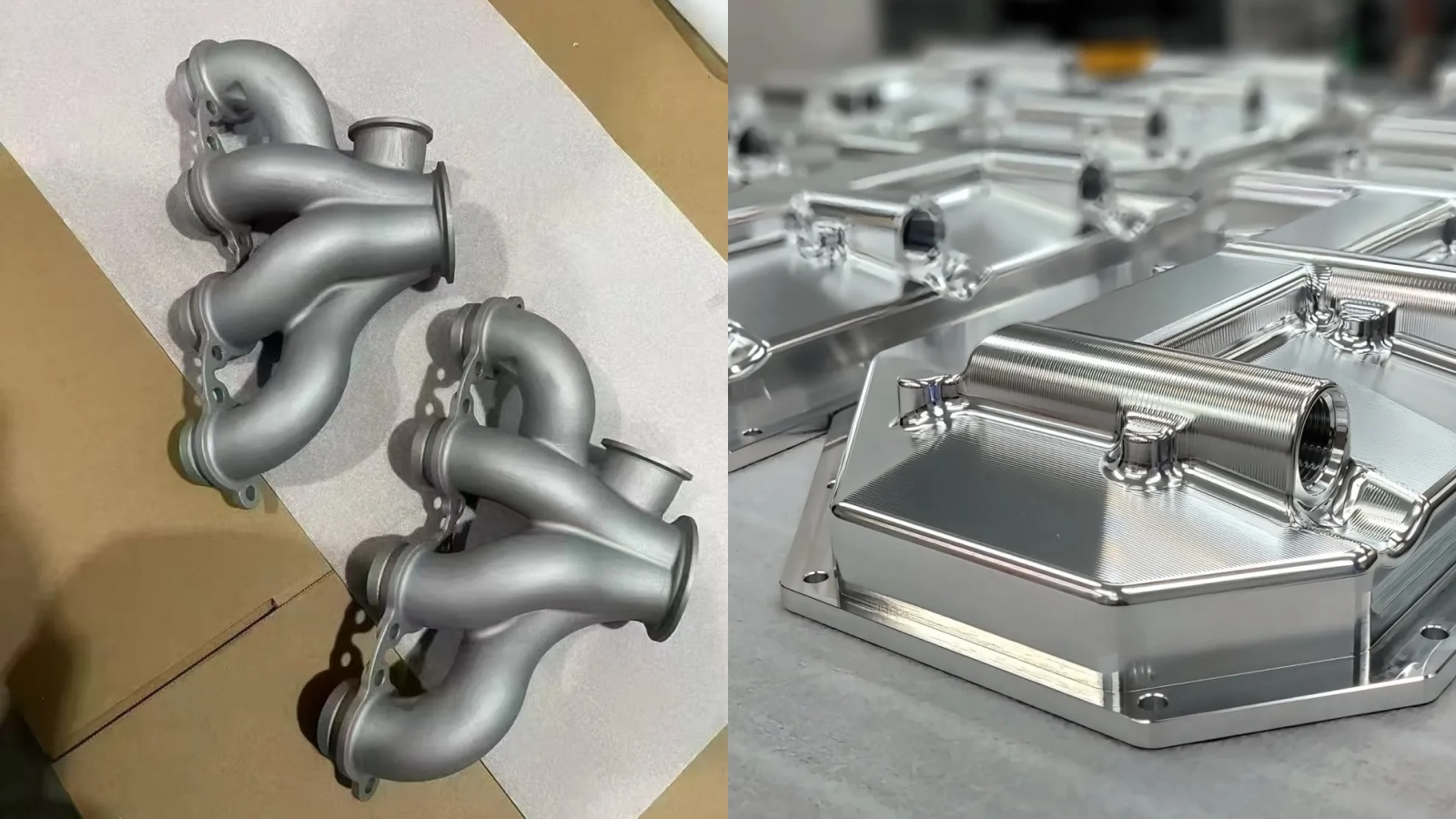
CNC machining belongs to subtractive manufacturing, which relies on computer numerical control systems to control machine tools and perform material removal operations such as cutting, polishing, drilling, milling, etc. on complete metal and plastic raw materials, ultimately trimming the preset product shape. It is the mainstream process of traditional Precision Machining.
What Is 3D Printing?
3D printing processing belongs to additive manufacturing, which relies on 3D modeling data to form by stacking resin, nylon, metal powder and other raw materials layer by layer without material removal process. It directly constructs complete workpieces by layer stacking, which is a new type of rapid prototyping technology.
The essential difference in manufacturing principles directly determines the core differences in performance, cost, and applicable scenarios between the two processes.
Advantages & Disadvantages of CNC Machining
Core Advantages of CNC Machining
High machining accuracy and strong stability of finished products: CNC uses physical cutting tools to form, with mature and stable processes, and machining accuracy can reach ± 0.01mm or even higher. The surface of the workpiece is smooth and flat, without any layer patterns, which can meet the requirements of precision assembly, industrial load-bearing, and high-precision mechanical parts.
Wide range of material adaptability and complete preservation of physical properties: CNC can process the vast majority of engineering plastics such as ABS, PBT, PC, acrylic, as well as various metal materials such as aluminum alloy, stainless steel, brass, titanium alloy, etc., covering almost all solid sheet and bar blanks commonly used in industry. The processing process is only physical cutting and does not change the molecular structure of raw materials. It can completely retain the original physical properties of materials, such as hardness, toughness, high temperature resistance, aging resistance, corrosion resistance, etc. The workpiece has high strength and durability, and can be used for mass production of functional parts.
The finished product has strong practicality and good compatibility in post-processing: CNC machined workpieces have uniform density, no loose pores, and a solid overall structure. It can be directly subjected to various surface treatment processes such as anodizing, sandblasting, polishing, electroplating, screen printing, etc. After treatment, the appearance texture is delicate and the industrial texture is strong. It is the preferred process for high-end prototypes and mass-produced parts. At the same time, the workpiece is wear-resistant, pressure resistant, and not easily deformed, making it suitable for long-term use in complex scenarios such as mechanical operation and outdoor working conditions.
The cost of mass production is controllable: for standardized structured workpieces, after the cutting programming is completed, CNC machine tools can automate continuous processing, with stable single piece processing speed. The loss during mass production is extremely low, and the yield rate is close to 100%. Compared with 3D printing, the comprehensive cost of mass production is lower and the efficiency is higher.
Disadvantages of CNC Machining
The processing of complex irregular structures is limited: it is impossible to process special structures such as hollow holes, inverted inner cavities, complex lattices, and integrated irregular surfaces. Either they cannot be formed, or multiple parts need to be disassembled and assembled after processing, which damages the integrity and accuracy of the workpiece.
High material loss and resource utilization rate: CNC machining requires the removal of a large amount of excess material from the entire raw material. The material loss rate of complex workpieces can reach over 50%, and waste materials cannot be reused, resulting in serious waste of raw materials.
The R&D sampling cycle is long, and the cost of non-standard modifications is high: CNC machining requires multiple processes such as modeling, programming, fixture fixing, trial cutting, and precision machining, and the preparation process in the early stage is cumbersome. The single sampling for new product development takes a long time to program and debug, and once the product structure is modified, it needs to be reprogrammed and debugged, resulting in low efficiency and high additional costs.
Thin walled and microstructure processing is prone to scrap: For thin-walled structures, small columns, micro slots, and other structures with a thickness less than 0.5mm, CNC cutting is prone to problems such as tool shaking, deformation, edge breakage, and fracture, resulting in a high scrap rate and great processing difficulty.
Advantages & Disadvantages of 3D Printing
Core Advantages of 3D Printing
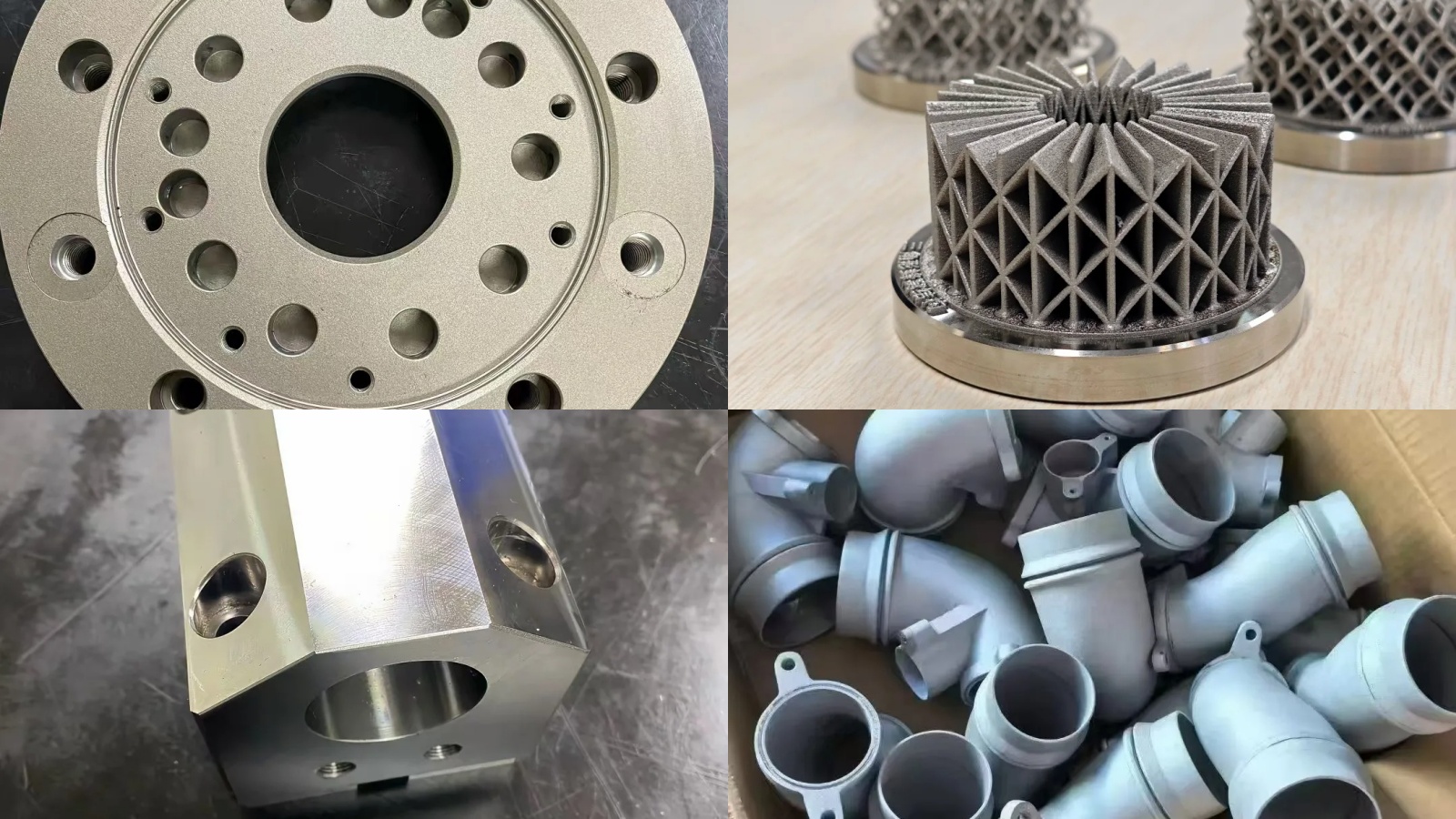
Unrestricted molding of complex structures and strong integrated molding ability: 3D printing relies on the principle of layer by layer stacking, which can easily complete the molding of all complex structures such as hollow structures, inverted inner cavities, irregular surfaces, lattice structures, micro porous structures, and integrated complex shells.
The sampling cycle is extremely short and the iteration efficiency is high: there is no need for complex programming, fixture customization and other preliminary processes. The modeling file can be directly printed by importing it into the equipment, and a single sampling can be completed in just a few hours.
The material utilization rate is extremely high and there is no excess loss: additive manufacturing only uses the raw materials required for molding, with almost no waste generated, and the material utilization rate can reach over 95%.
The advantages of thin-walled and lightweight structural processing are significant: it can stably process ultra-thin wall structures and small precision structures of 0.2-0.3mm, without vibration or deformation problems, and has good molding stability. It is very suitable for the processing and production of lightweight parts, micro precision accessories, and appearance display pieces.
Disadvantages of 3D Printing
Limited processing accuracy and poor surface texture: The conventional SLA resin printing accuracy is only ± 0.05mm, while SLS nylon and metal printing accuracy is even lower, which cannot meet the requirements of ultra-high precision assembly. There are fine layer patterns on the surface, and the flatness and smoothness are not as good as CNC workpieces. Even after polishing and grinding, it is still difficult to achieve the precise surface effect of CNC.
The physical properties of the workpiece are limited and the durability is insufficient: 3D printed workpieces have a layered stacking structure with weak interlayer bonding, which is prone to delamination, cracking, and fracture problems under stress. The overall strength, toughness, and compressive strength are much lower than CNC workpieces of the same material. The printing materials are mostly special powder and resin materials, which are less than CNC processing materials, and have poor high-temperature resistance, aging resistance and corrosion resistance.
High cost and low efficiency in mass production: 3D printing involves stacking and forming individual pieces, with a limited number of prints per batch and slow forming speed. In large-scale production scenarios, the cost of single piece printing is much higher than that of CNC machining, and the production cycle is longer, which is completely unsuitable for standardized part mass production.
The limitations of post-processing are significant: some 3D printing materials cannot undergo high-end surface treatments such as anodizing and electroplating, and the surface of the workpiece is loose. Polishing and sandblasting are prone to wear and tear on the surface structure, making it difficult to achieve high-end industrial textures, and limiting the aesthetics and practicality of the finished product.
The following intuitive comparison table clearly shows the essential differences between the two processes in precision, cost, speed, materials and scenarios, helping you quickly complete preliminary selection.
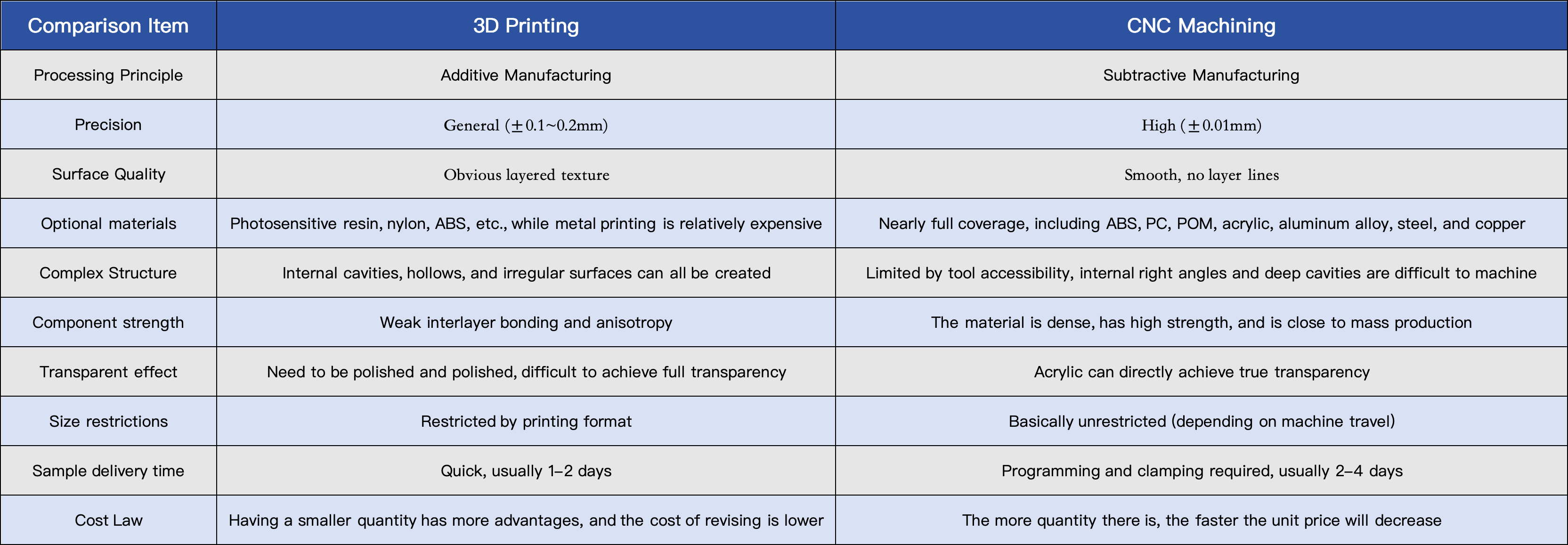
Full parameter comparison table of 3D printing and CNC machining
3 Golden Rules for Process Selection
Combined with the parameter differences and process characteristics, summarize 3 universal selection golden rules to avoid wrong process selection and cost waste.
Golden Rule 1: Judge by Precision & Functional Requirements
Choose CNC machining if the part requires high precision, tight tolerance, smooth surface, load-bearing and long-term use. Choose 3D printing for conceptual models, display samples and non-functional simple parts with low precision requirements.
Golden Rule 2: Judge by Structural Complexity
For conventional solid, shell and simple structural parts, CNC machining is preferred with better performance and lower mass production cost. For hollow, lattice, nested and ultra-complex special-shaped structures that cannot be processed by cutting, 3D printing is the only solution.
Golden Rule 3: Judge by Production Batch
3D printing is the best choice for single-piece verification, small-batch trial production and rapid iteration. For formal commercial mass production, medium and large-batch orders, CNC machining has absolute cost and quality advantages.
Applicable Industry Scenarios Summary
Typical Scenarios for CNC Machining
Industrial automation parts, mechanical structural parts, precision equipment accessories, medical functional parts, aerospace metal parts, automotive load-bearing parts, high-precision shell parts, mass-produced standard parts.
Typical Scenarios for 3D Printing
Product conceptual prototype, creative display model, complex hollow customized parts, experimental trial parts, rapid iteration samples, art and craft parts, low-batch non-standard parts.
Comprehensive Industry Evaluation
3D printing and CNC machining are not competitive but complementary processes in the custom manufacturing industry. There is no absolute "better" process, only "more suitable" process.
3D printing breaks the structural processing limitations of traditional technology, lowers the threshold for rapid prototyping, and is the core process for product research and development and rapid iteration. CNC machining relies on high precision, high strength and stable batch quality, and is the mainstream process for industrial formal manufacturing and commercial mass production.
In actual project applications, most enterprises will adopt a combined solution: 3D printing for early prototype verification, and CNC machining for formal mass production after the scheme is confirmed, which perfectly balances R&D efficiency, cost control and product quality.
FAQs About 3D Printing and CNC Machining
Q1: Which is more accurate, CNC machining or 3D printing?
A1: CNC machining has far higher precision, reaching ±0.01mm, with smooth and flawless surface. Ordinary 3D printing precision is only ±0.1mm~±0.2mm with obvious layer lines, suitable for non-precision prototypes.
Q2: Which is cheaper, 3D printing or CNC machining?
A2: 3D printing is cheaper for single-piece and small-batch complex prototypes. CNC machining has lower unit cost and better cost performance for simple structural parts and mass production.
Q3: Can 3D Printed Parts replace CNC machined parts?
A3: No. 3D printed parts have insufficient density and strength, poor wear resistance and low precision, which cannot meet the long-term service and assembly requirements of industrial functional CNC parts.
Q4: What is the best process for product R&D and mass production?
A4: Adopt hybrid processing: use 3D printing for rapid prototype verification in the R&D stage, and switch to CNC machining for formal mass production after the design scheme is finalized.
CNC machining covers multiple core subtractive manufacturing approaches for custom parts. If you need to select between rotational and multi‑angle part geometry, our dedicated guide on CNC milling vs CNC turning breaks down their key differences, advantages and real‑world application scenarios.
Conclusion & CTA
To sum up, 3D printing is focused on rapid prototyping and complex structure manufacturing, while CNC machining is focused onhigh-precision, high-strength and mass industrial manufacturing. Accurate process selection according to part precision, structure, batch and usage scenario can effectively reduce costs, shorten lead time and improve product yield.
If you are confused about process selection for your custom parts, welcome to send your 3D/2D drawings and technical requirements. We provide free professional process evaluation, customized scheme recommendation and accurate quotation, supporting 3D printing prototyping and CNC precision mass production services.






 Phone
Phone
Comment
(0)