What is the first thing a regular factory asks when a customer calls for an inquiry? -drawings. This happens every day in CNC. Some customers think that the factory is deliberately making things difficult, but it is really not. Without reliable processing drawings, any regular factory can't quote you. It's not embarrassing you, it's professional.
This article makes it clear: Why are drawings so important? How does it affect cost, quality and delivery? I see, the quotation is faster, more accurate and more economical.
Why Drawings Are Mandatory for Accurate Custom CNC machining Quotation
Processing drawings can be understood as "contracts" between designers and processors. The drawing defines: shape, size, how bright the surface is, and how much error is allowed. Without these details, the factory is just guessing.
In actual cutting, every number on the drawing plays a role. If the tolerance is strict, the cutter path should be changed; The surface finish is required to be high, and the feed should be adjusted; Geometry determines which machine tool to use. Therefore, the factory quotation must first look at the drawings-otherwise the difficulty behind will not be judged at all.
What key information does the drawing provide?
A complete processing drawing contains a lot of information. The factory mainly looks at these items when quoting:
Dimensional tolerance
This is the main part. ±0.1mm parts are easy to do, and ±0.01mm parts are difficult to do. The stricter the tolerance, the slower the cutting speed, the finer the tool and the more inspection steps, which means that time and cost will increase.
Geometric tolerance
This is a place that many people will ignore, flatness, verticality, concentricity, position-each symbol increases complexity. A hole must be completely perpendicular to the surface, which is much more difficult to machine than a slightly crooked hole.
surface roughness
Rough surfaces are fast and cheap. Mirror effect is slow and expensive. Ra value is marked on the drawing. The smaller the number, the more polishing, the more exquisite the cutter path and even more processes, all of which cost money.
material trademark
Aluminum and stainless steel cut differently. Stainless steel and PEEK plastic are different. Different tool wear rate, different speed feed and different cost. Drawings must specify specific materials. Just talking about "metal" or "plastic", the factory can't work.
Without this information, the factory can't judge whether a part is simple or complex, and naturally it can't give you an accurate price.
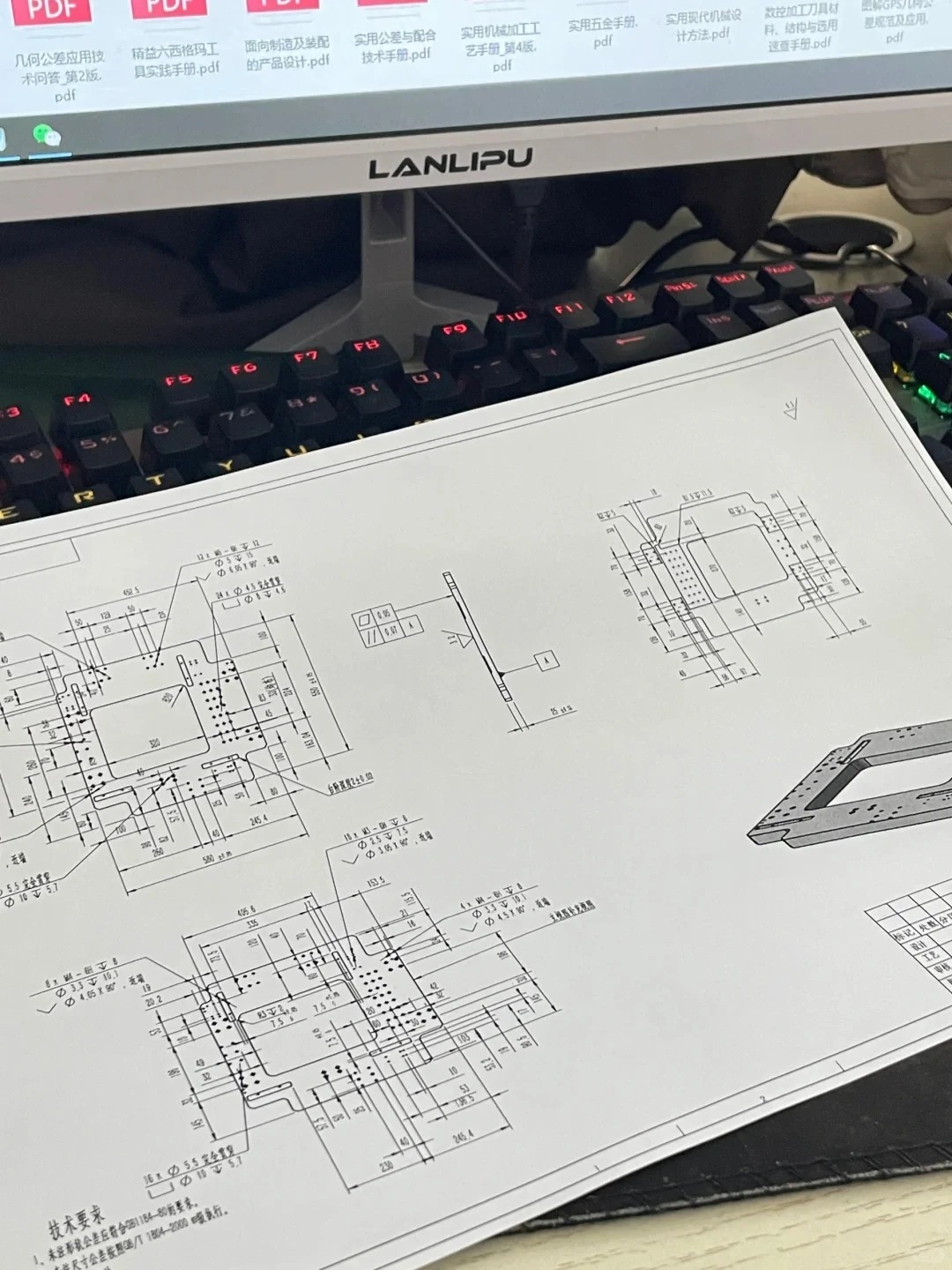
CNC Machining Process Is Determined by Drawing Structure
Different shapes, different prices. A simple square with several holes is cheap. A curved, strict tolerance, expensive. The drawings tell the factory what kind of situation it is facing.
Complex work may require multi-axis linkage, or special tools, or multiple clamping-clamping, cutting, loosening and re-clamping. These are increasing the time of machine tools and pushing up the cost. Drawings let engineers judge what processes are needed: milling, turning, drilling and grinding-each process has a different price.
These process choices are the core of all accurate quotations. Without drawings, you don't know what technology to use; If you don't know the process, you can't quote the real number.
Example-How does the process choice affect the price?
Part characteristics | Required technolog | Cost impac |
A simple square has two or three holes in it. | Three-axis milling+standard drilling | Low to medium |
Surface with strict tolerance | Five-axis linkage milling | High (special machine tools and programming) |
Cylinder with internal thread | Turning+thread milling or tapping | Medium (multi-tool, multi-process) |
In addition, some parts may need secondary processing:
Heat treatment:
make parts harder and more wear-resistant. But the delivery will take a few more days and the cost will go up. The stove was not burned for nothing.
Surface treatment:
anodizing, electroplating, spraying-everything increases material cost and labor. The drawings must indicate what surface is needed, otherwise the factory can't quote.
Testing and reporting:
Some customers want full-size reports. Coordinate measurement and traceable documents. It takes technicians' time, and time is money. Parts that need to be reported are more expensive than those that are not needed.
These factors are all in the processing drawings. Experienced engineers look at the drawings once, and the whole production path will be clear: materials, tolerances, characteristics, secondary processing. Without drawings, any quotation is a guess.
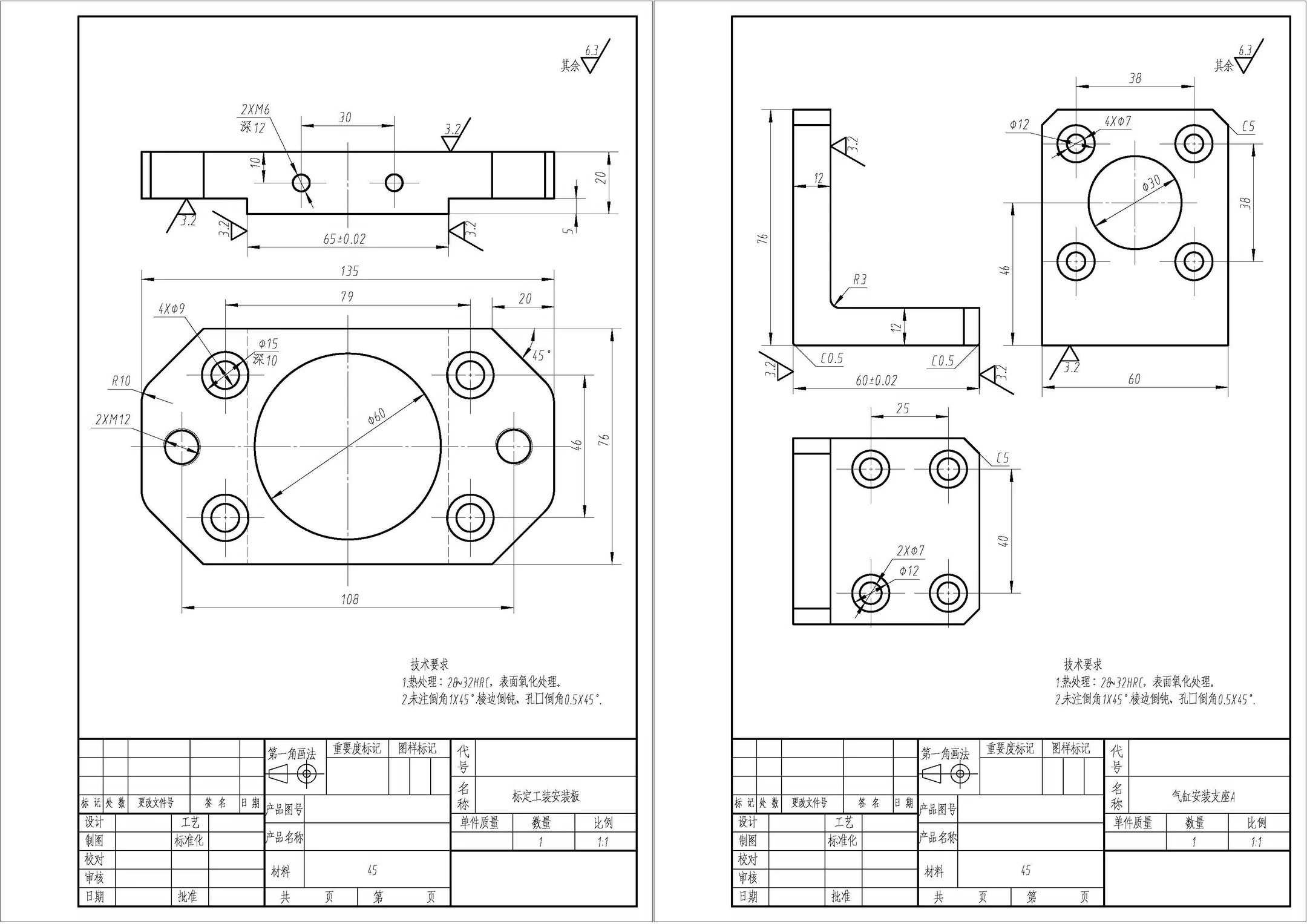
Raw Material Cost Depends on Drawing Size & Shape
Regular factories don't guess the cost of materials. The engineer reads the drawing to see what alloy is specified, and then starts from there. The price of raw materials is one part, and the difficulty of processing is another part-both of them affect the final quotation.
Different materials have different processing parameters: feed, rotational speed, tool selection, coolant requirements and tool wear rate. Twenty parts of one material cost a knife, and the processing cost is definitely different from that of another material that runs for one day with a knife. The drawings tell the factory what kind of situation it is facing.
Examples of Common Materials and Their Cost Impact
Aluminum:
This is the benchmark. Easy cutting, low tool wear, cheap raw materials and short processing cycle. For most prototypes and mass production parts, this is the most cost-effective choice.
316 stainless steel:
the material is hard, the cutting speed is slow, and the tool with better rigidity is needed. It generates a lot of heat during processing, so it is necessary to manage the coolant. Tool wear is high, and the production cost has gone up. For the same shape, the price of stainless steel is obviously higher than that of aluminum.
Titanium alloy:
This is a very expensive place. Titanium is strong and light, but difficult to machine. It will work hard and react with the tool. The cutting speed is much lower and the tool life is short. It may be just a simple bracket on the drawing, but when the material is changed, everything is different. The quotation is expected to rise sharply.
Special materials (Inconel, PEEK):
Inconel is a high-temperature superalloy, which can't be carried by ordinary tools. PEEK is a high-performance plastic, and the raw materials themselves are expensive. Both require professional experience, and not all factories can do them. The quotation will reflect the cost of raw materials, special tools and skilled workers.
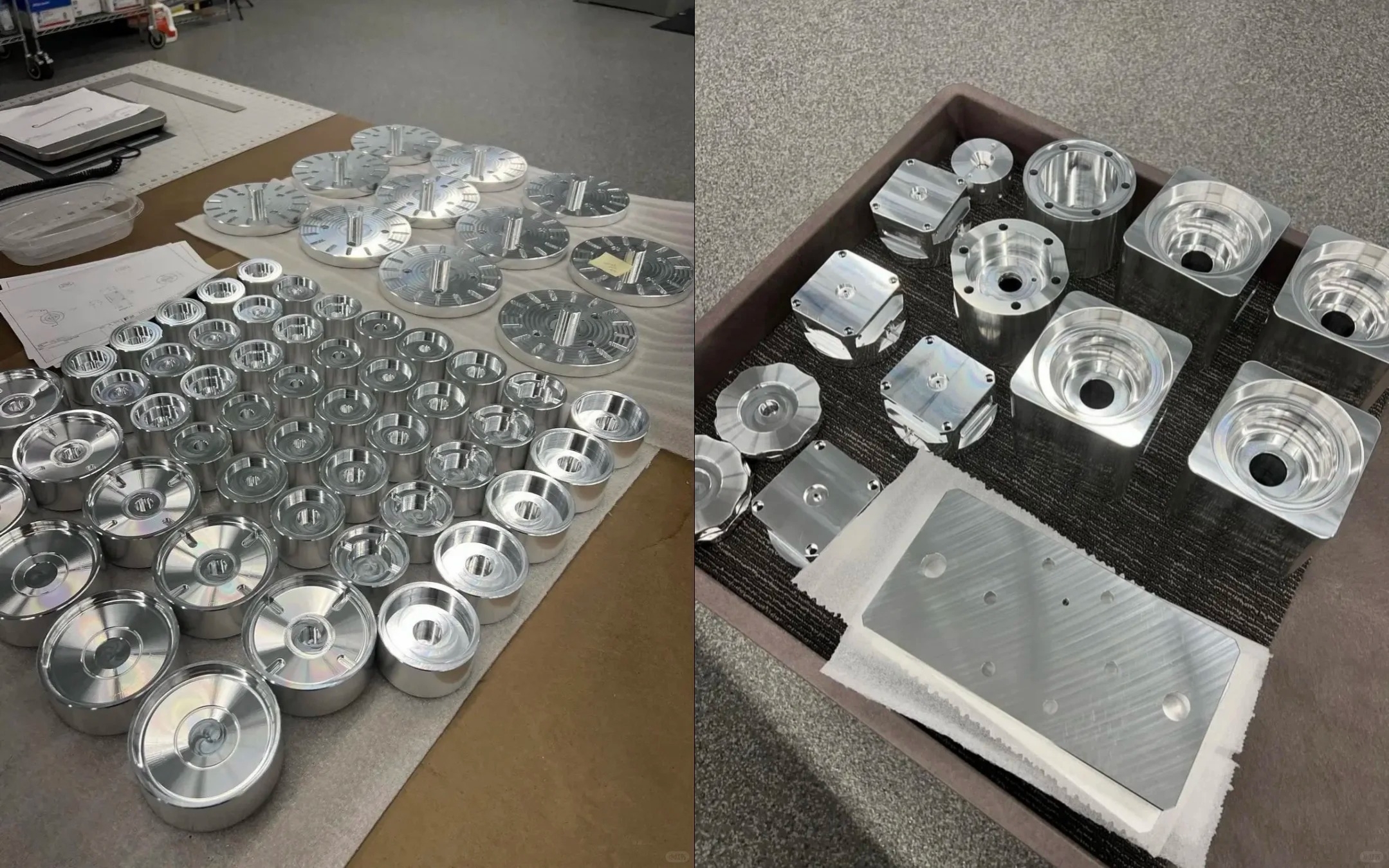
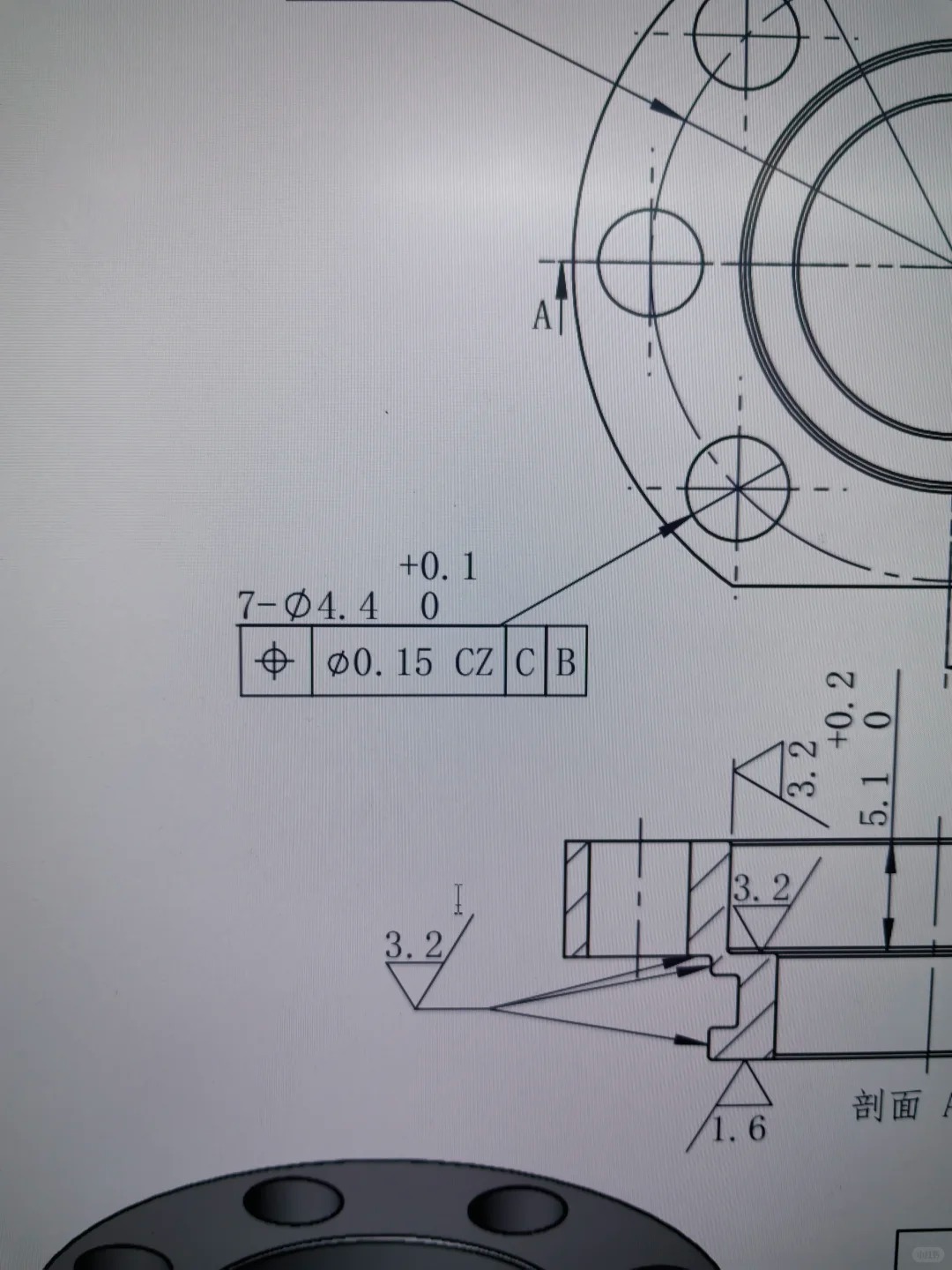
Tolerance & Precision Standards Are Marked on Drawings
The dimensional tolerance and geometric tolerance marked on drawings are the key indexes of CNC machining. The higher the precision requirement, the more precise the equipment required, the stricter the quality control, and the lower the machining efficiency. Regular factories must allocate resources according to these requirements to ensure that the finished products fully meet the drawings.
Batch Quantity & Processing Efficiency Refer to Drawing
The batch size directly affects the unit price. The unit price of a part is more expensive than 1000. The drawings tell the factory how to plan.
Small batch: clamping time accounts for a large part of the cost. Programming, fixture, knife alignment-these jobs will take several hours. Spread it on five parts, each with one copy, and the unit price is naturally high.
Mass production: 100 parts spread the same clamping cost thinner. The factory may make simple fixtures and optimize the tool path. The one-piece quotation will be lowered.
At the time of 1000, the factory will think about automation: special fixture and multi-station clamping. The drawings tell the factory whether the geometry of the parts allows this. Simple parts are easy to expand, but complicated.
Without drawings, no one can judge the difference. Quotation becomes a guess, and guessing will make mistakes.
Complete Drawings Help Avoid Potential Technical Risks
It is not only a matter of pricing, but also to avoid pits to ask for drawings before quoting. Regular factories will review drawings and find problems before the parts are put on the machine.
Examples of common problems in drawing review
Deep and thin hole with strict tolerance:
small, deep and tight tolerance. Machining requires a long knife, which will swing and break. The cutting speed is reduced to turtle speed. The offer must be high. Regular factories will ask: can this hole be bigger, shallower, or the tolerance be relaxed?
Sharp internal angle:
the standard end mill is round and has rounded corners when cut. But some drawings are marked with sharp internal angles-ordinary CNC can't do it at all. The factory can only use EDM or other processes, and the cost directly jumps. A better way is to add a small relief groove or enlarge the fillet to match the standard tool size.
Strict tolerance is marked for unimportant positions:
some drawings are marked with ±0.01mm for each dimension, even the surface that does not affect the function. The factory knew at a glance that the cost would be raised, and it didn't make sense. Ask a mouth and you will often find that ±0.1mm is enough. After revising the drawings, the quotation came down.
Incomplete marking or missing marking: The drawing may be marked with materials but not hardness, or marked with surface treatment but not Ra value. The factory can't quote accurately. It is better to ask in advance than to guess the wrong parts.
Checking drawings in advance is risk control. The factory finds the problem early, and the customer has the opportunity to change the design or accept the cost. The project ran smoothly, no accidents, no waste. The quotation reflects the reality, and the final parts meet the expectations.
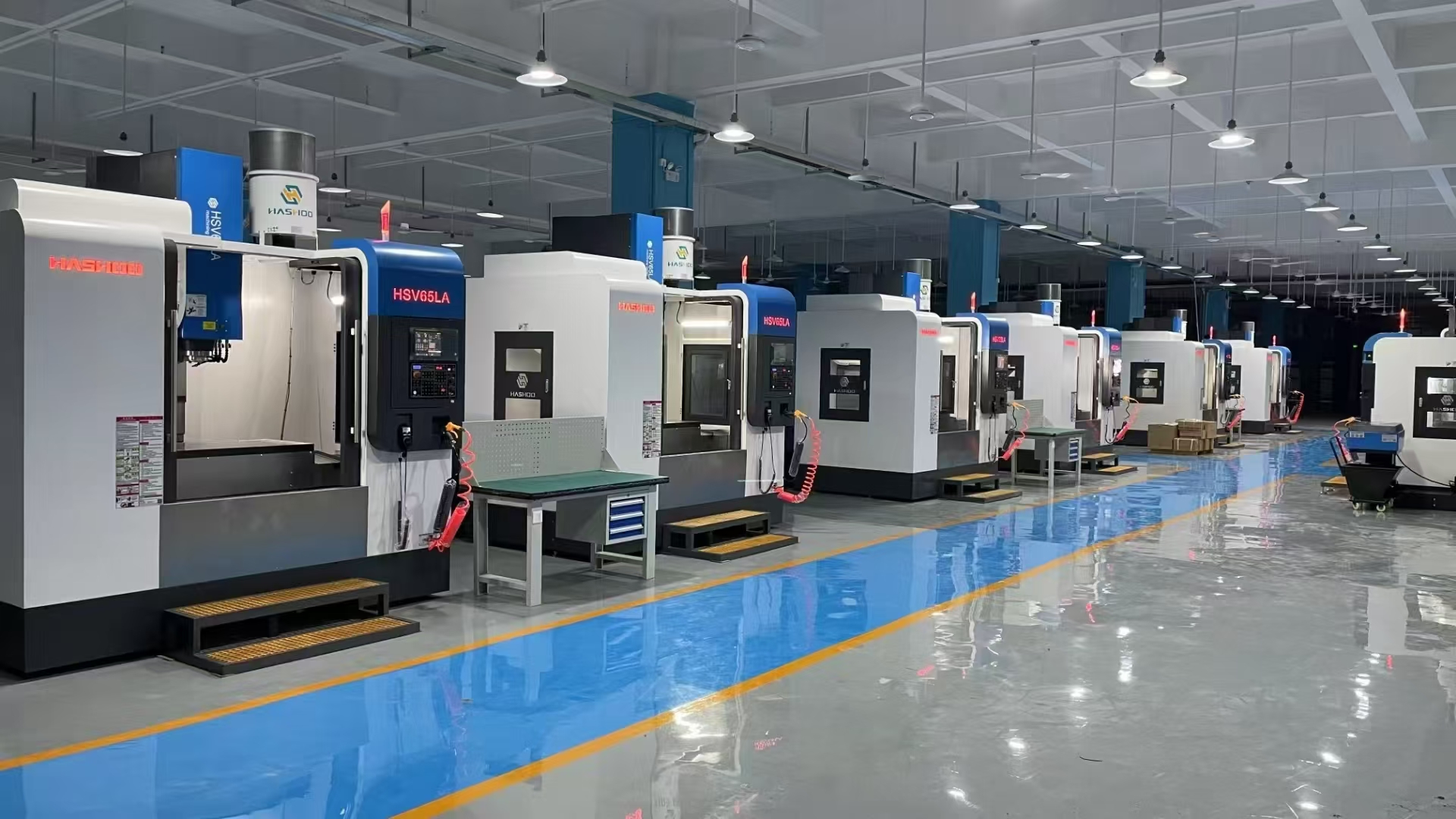
Send your complete CAD drawings to us to receive an accurate custom CNC machining quotation within 24 hours.






 Phone
Phone
Comment
(0)