In the field of precision manufacturing, CNC machining centers are core equipment. The terms "three-axis, four-axis, and five-axis" frequently appear in discussions among procurement, engineering, and production personnel.
What exactly are the differences between them? Where are the processing capability boundaries for each? How should enterprises select the right one based on product characteristics? This article explains everything at once.
What Is 3-axis CNC Machining?The most classic basic solution
Definition and Structure
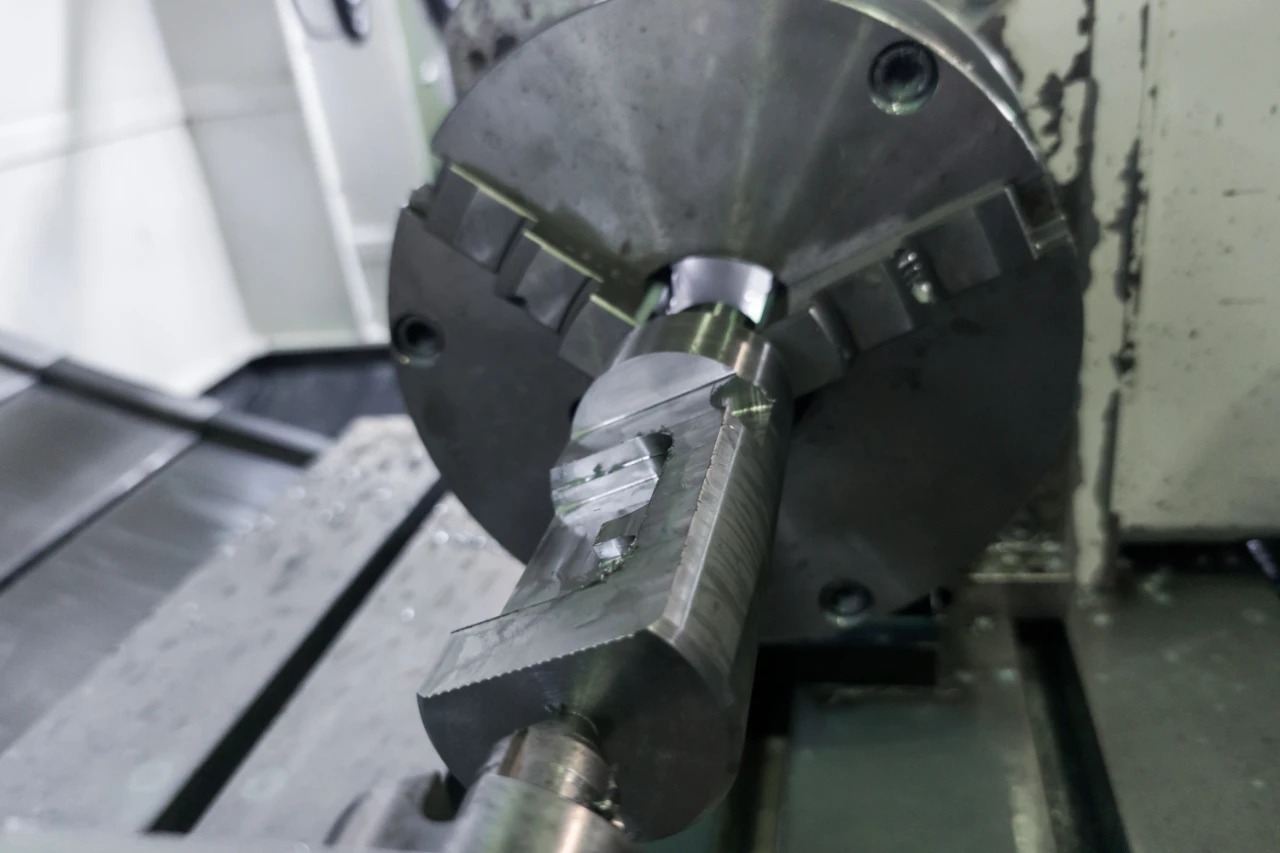
The three-axis CNC machining center moves along the X, Y, and Z linear axes, with the workpiece fixed on the worktable and the tool moving linearly in three directions to complete basic machining such as milling, drilling, and tapping.
Core Advantages
· Low equipment cost and large market share
· Mature programming and operation, easy access to talent
· Suitable for processing large quantities of parts with simple structures
limitation
One clamping can only process the top surface of the workpiece. For features such as sides, slopes, curved surfaces, or those that require multi angle machining, multiple clamping or station changes are necessary, which limits accuracy and efficiency.
Typical application scenarios
· Flat milling, rectangular box parts
· Rough machining of mold cavity
· Flat processing of electronic product casings
· Installation plates and brackets in automation equipment
Applicable judgment
All machining features of the parts are completed in the same direction (such as the top surface).
What Is 4-axis CNC Machining?Add a rotation dimension
Definition and Structure
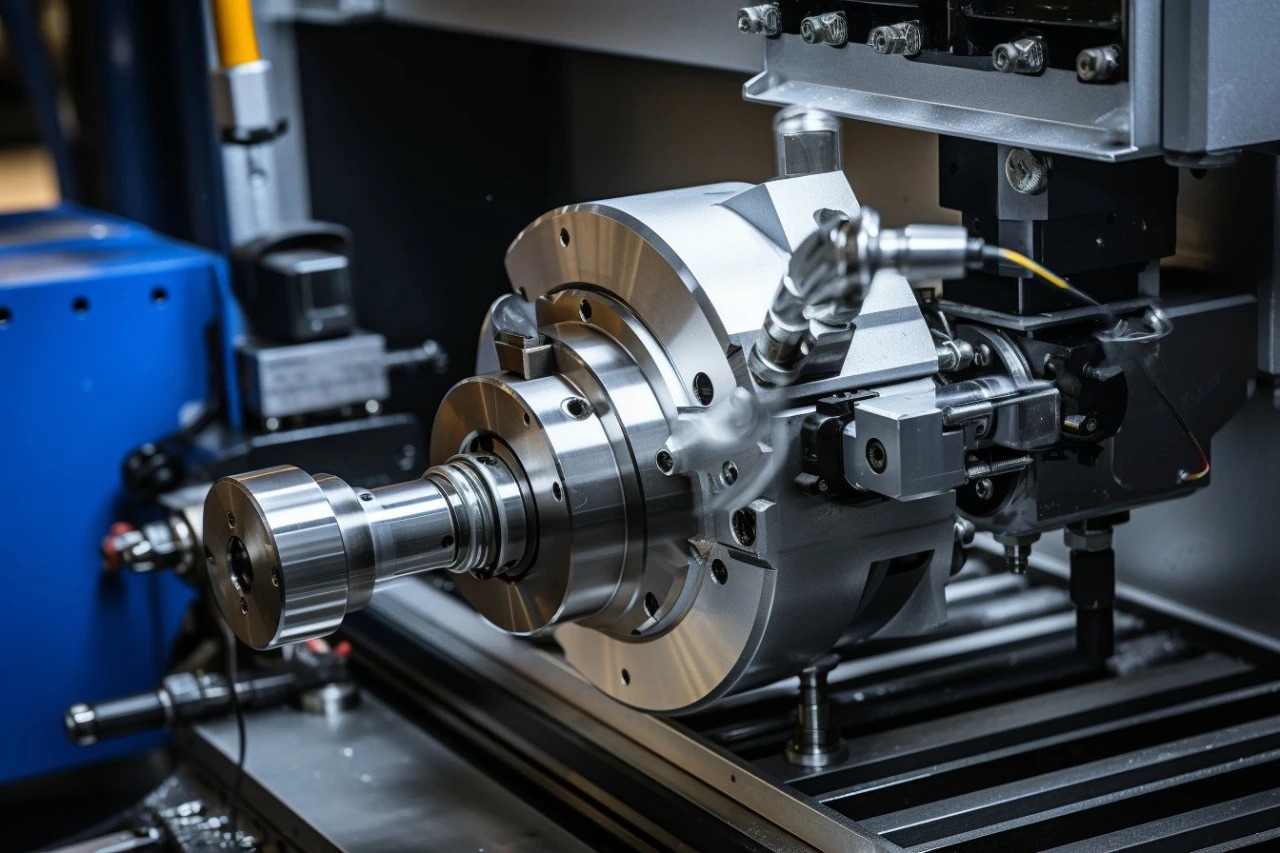
Adding a rotating axis (usually the A or B axis) on top of the three-axis, the worktable or workpiece can rotate continuously around the X or Y axis to achieve multi-faceted machining.
Core Advantages
· One clamping can process multiple surfaces, reducing clamping errors
· Especially skilled in cylindrical parts, spiral grooves, cams and other features
· Cost performance ratio higher than five axis, with significant additional processing capabilities compared to three axis
limitation
Continuous inclined machining of cutting tools cannot be achieved, and complex free-form surfaces still require five axis equipment.
Typical application scenarios
· Cam, worm, spiral groove
· of hole and groove systems on cylindrical surfaces
· Simple impellers and blades
· Oblique top hole and waterway hole in the mold
Applicable judgment
Parts have obvious rotational symmetry structures or require multiple features to be machined on cylindrical surfaces.
What Is 5-axis CNC Machining?Ideal choice for high-precision complex parts
Definition and Structure
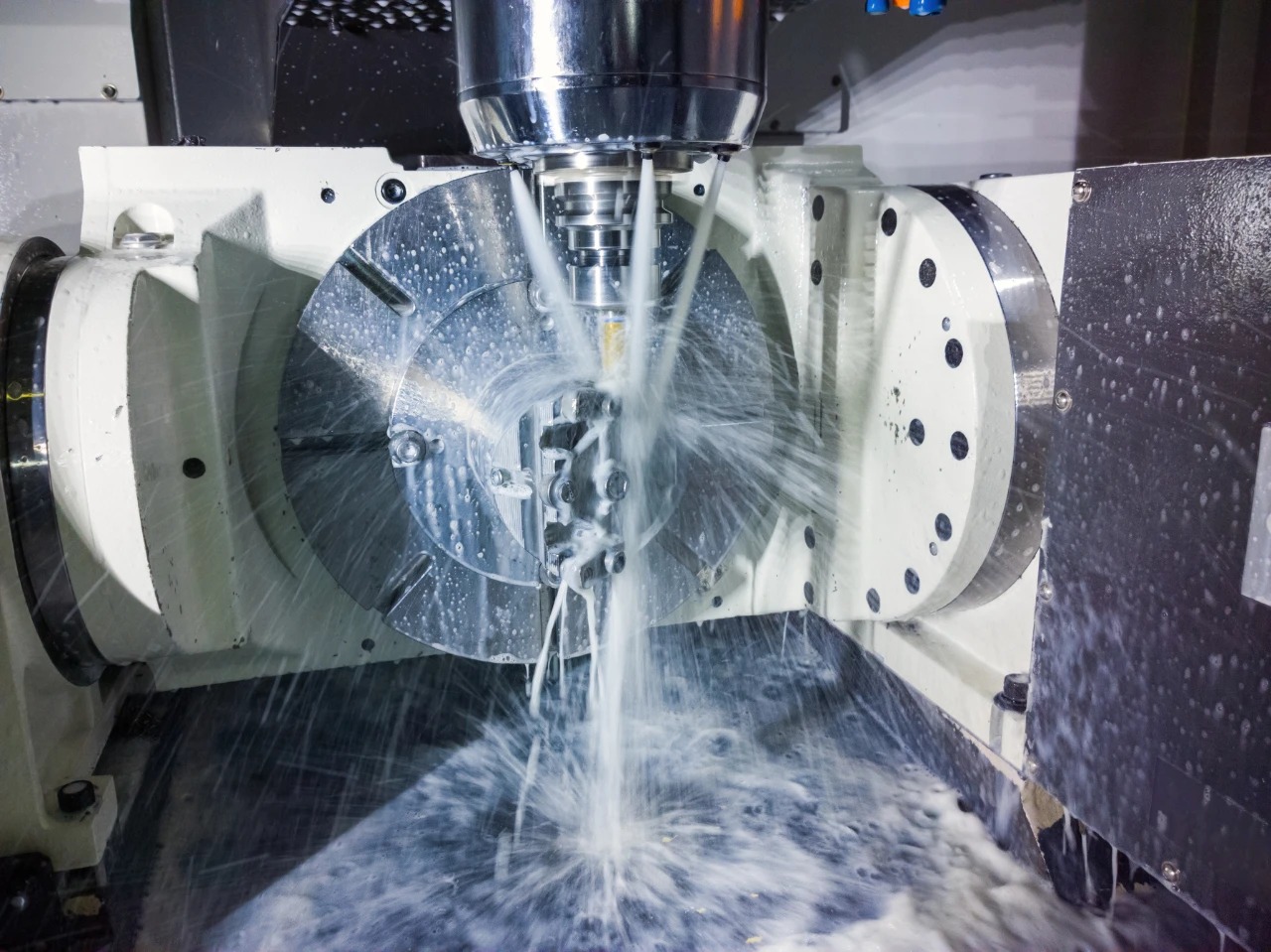
A five axis CNC machining center is equipped with two rotating axes (commonly A+B or B+C combinations) outside the X, Y, and Z linear axes, allowing the tool to approach the workpiece from almost any angle.
Core Advantages
· Complete all processing with one clamping: avoid cumulative errors caused by multiple clamping;
· The ability to process complex surfaces: Typical parts such as aviation impellers and artificial joints must rely on five axes;
· Shorter tools: By using inclined machining, it is possible to reach deep cavity areas with shorter tools, improving rigidity and surface quality.
limitation
The equipment investment is high, usually several times or even higher than that of three-axis. The programming, post-processing, and operation personnel require high operation and maintenance costs, which are relatively high
Typical application scenarios
· Aircraft engine integral disc and impeller
· Medical implants (artificial joints, orthopedic plates)
· Deep cavity and inverted area of precision molds
· Automotive turbocharger housing
· Submarine propellers, aerospace structural components
Applicable judgment
The parts include complex free-form surfaces, deep cavities, inverted buckles, or extremely high precision requirements.
How to Select 3-axis, 4-axis or 5-axis CNC Machining for Your Parts
Comparison Dimension
| 3-axis | 4-axis | 5-axis |
Number of motion axes | X.Y. Z | X. Y, Z+1 rotation | X. Y, Z+2 rotation |
One clamping can process the surface | 1 side | Multi sided (non continuous) | 5 or more sides+any angle |
Typical component complexity | simple | moderate | Extremely/complex |
equipment investment | lower | moderate | high |
Programming difficulty | low | moderate | high |
Suitable for batch production | low | Small and medium-sized batches | Single piece/small batch/high-precision |
Do you know now? To summarize briefly:
· Choose three-axis for flat or simple 2.5D parts
If all machining features of the part are in the same direction and there are no complex surfaces, three-axis is the most economical and efficient choice.
· Cylinder, cam, multi-faceted hole system choose four axes
For parts that require multi-faceted processing but still belong to the category of rotating bodies, four axes are a cost-effective solution.
· Five axis selection for complex surfaces, high-precision molds, and aviation medical parts
When the precision and complexity of parts exceed the three-axis and four axis capabilities, five axis is not a "luxury", but a "necessity". The precision and efficiency advantages brought by a single clamping can often directly reduce the overall manufacturing cost.
Three axis, four axis, and five axis are not simply "who is better", but who is more suitable. Manufacturing enterprises should make rational technical decisions based on their own product characteristics, accuracy requirements, and budget when selecting equipment.
If you are confused about the machining plan for a certain type of part, please feel free to contact our technical team. We provide complete services from process evaluation to five axis machining implementation.






 Phone
Phone
Comment
(0)