Those who work in the CNC industry are well aware that aluminum alloy materials are easy to cut and have high efficiency, but there are many "pitfalls" hidden within: tool sticking, chip tangling, burr formation, inconsistent dimensions, and a dull or darkened surface...
Today, let's use plain language to clarify the key points of aluminum alloy processing one by one. As long as we avoid these pitfalls, the work will definitely be fast and good!
Aluminum material features for CNC machining(Only those who understand the situation won't panic)
Light specific gravity: approximately 2.7, significantly lighter than iron and copper
Good thermal and electrical conductivity, strong corrosion resistance
It has good plasticity and high toughness, making it easy to deform and cut
The four characteristics that have the greatest impact on processing are:
Soft material, low cutting resistance
The chips are long and strip-shaped, and they tend to cling to the cutting tool
It conducts heat quickly, but it is extremely prone to sticking to the knife (forming a buildup of debris)
The surface comes with an oxide film, and if the finish is not handled properly, it will be ruined
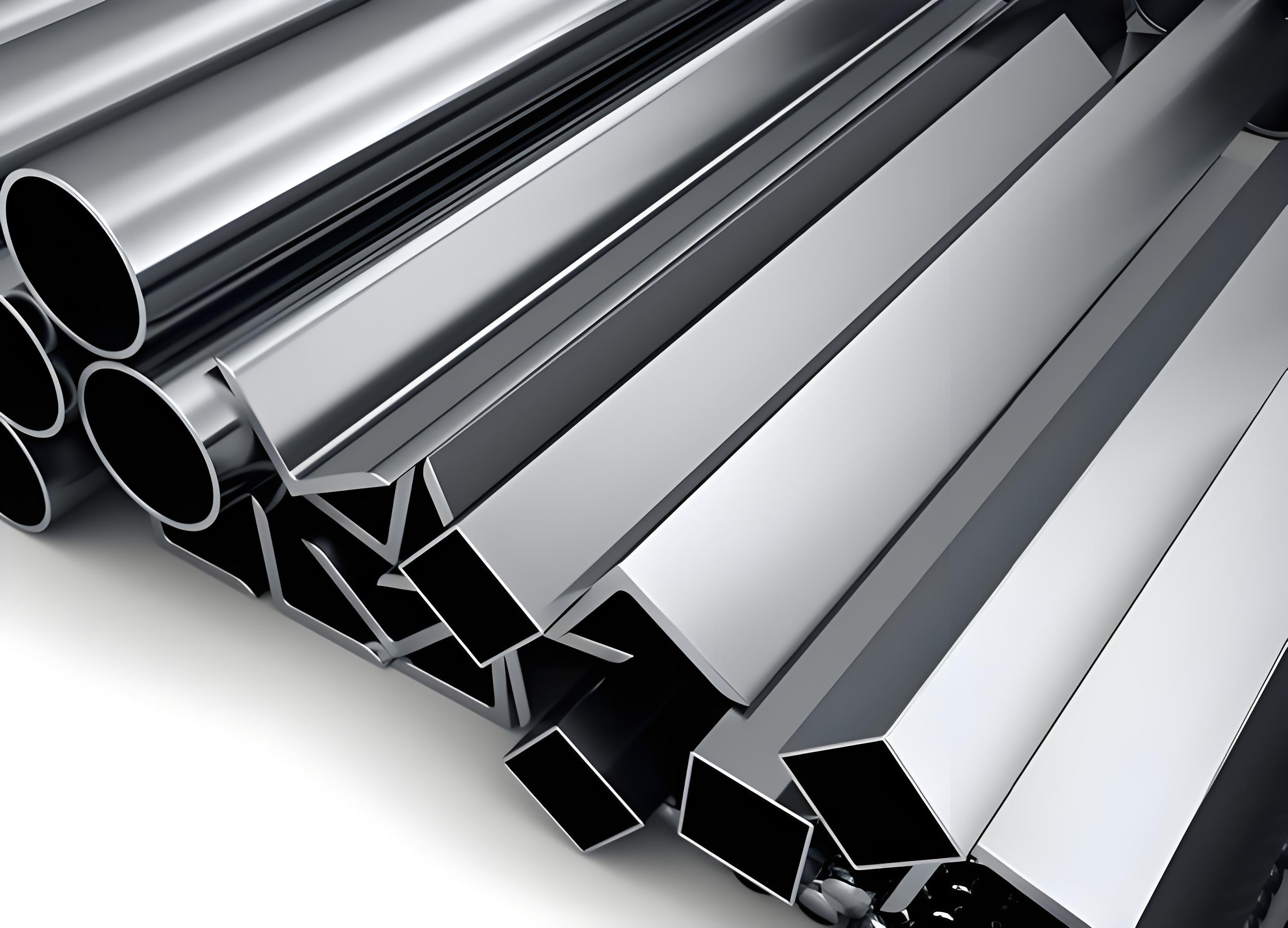
Advantages of Aluminum CNC Parts(Why does everyone love to work with aluminum)
High efficiency:
capable of high-speed cutting, resulting in short processing time
Durable cutting tools:
heat dissipates quickly, making it less likely for the tool to burn
The finish can be beautiful:
with the right parameters, a mirror-like effect can be achieved
Capable of processing thin walls and complex shapes:
less prone to chipping and corner loss
From prototyping to mass production, aluminum alloy remains a hot commodity
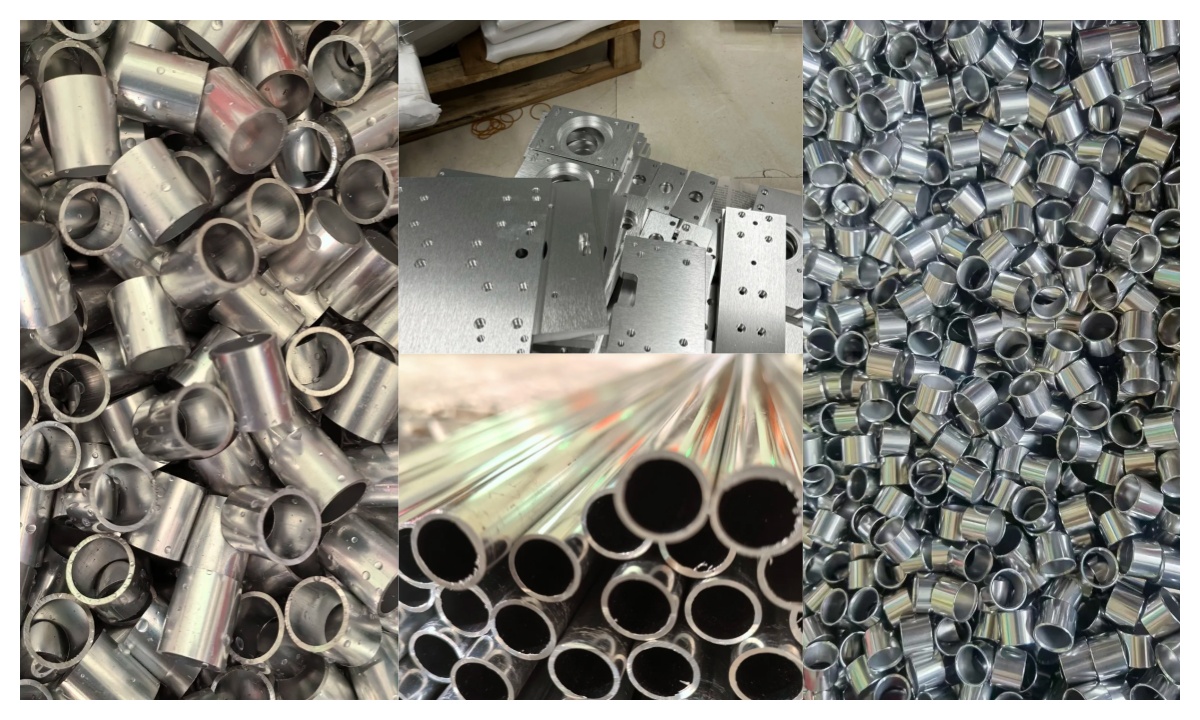
Chip entanglement makes you doubt life:
The aluminum is too "sticky", with chips constantly winding around the tool and getting entangled on the workpiece, potentially ruining the product in no time
Tool sticking (chip buildup):
Aluminum has a low melting point, and it sticks to the tool tip at high temperatures, resulting in many burrs and a rough surface
Dimensional instability:
The material is soft and deforms under stress, especially for thin-walled parts, resulting in different dimensions for each individual piece
Surface appears dark and blurry:
The parameters, coolant, or cutting tool may be incorrect, resulting in a grayish appearance with no luster
CNC cutter selection for aluminum machining(If you choose wrongly, all your efforts will be in vain)
Tool material:
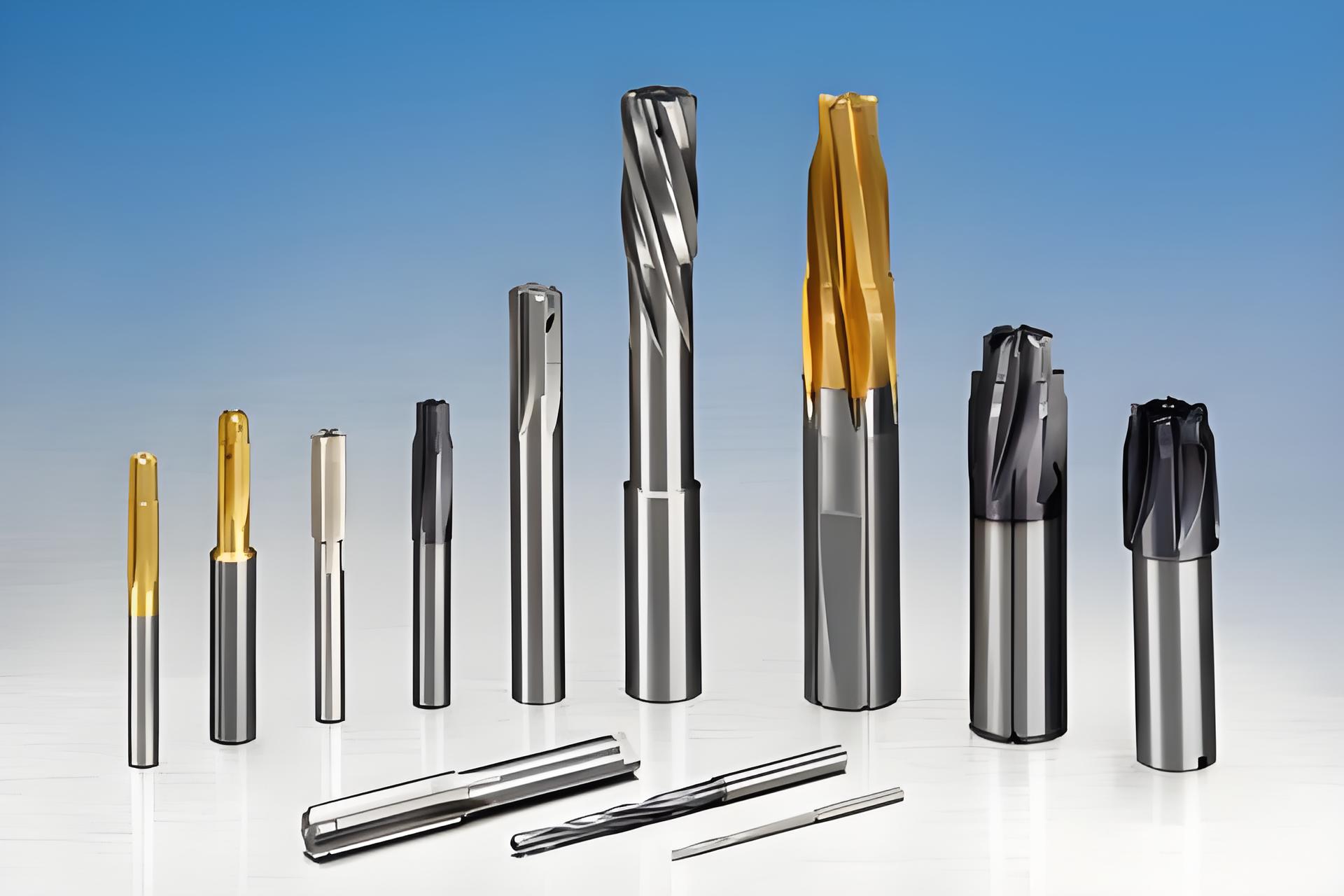
carbide and diamond-coated tools are preferred
The blade must be sharp:
the sharper it is, the less likely it is to stick to aluminum
The rake angle should be larger:
this ensures smoother chip evacuation and more rapid cutting
Don't mix coatings randomly:
❌ Not recommended: Regular TiN (titanium nitride) coating, prone to aluminum adhesion
✅Recommendation: DLC coating (diamond-like carbon) or simply no coating, as the polished blade will achieve a better effect
Additional tip:
Choose an end mill with a large chip flute, or a dedicated three-edge or four-edge milling cutter for aluminum, for smoother chip evacuation
Aluminum CNC cutting parameters (High speed, reasonable, non-stick to the tool)
High cutting speed is possible:
Aluminum alloy allows high-speed cutting, and it is common for the linear speed to reach over 1000m/min
Don't set the feed too small:
Too small a feed rate is most likely to cause the tool to stick. Instead, set it appropriately faster
Cut depth depends on rigidity:
For thin-walled parts and fine features, the cut depth must be reduced, otherwise deformation and tool vibration may occur
Cooling and chip removal are crucial:
Use cutting fluid (emulsion or oil mist) or high-pressure air cooling
The purpose is threefold: anti-adhesion, chip removal, and temperature reduction
✅ Supplementary knowledge: For aluminum parts with high requirements for mirror finish, it is recommended to use Micro Lubrication (MQL) or spray cooling, which is both environmentally friendly and clean
Different aluminum series CNC machining differences
1000 series (pure aluminum):
very soft and easy to process, but the surface tends to become dark and sticky, requiring a sharp tool and sufficient cooling
2000 series (aluminum-copper):
high strength, high cutting resistance, significantly accelerated tool wear, diamond-coated tools are recommended
5000 series (aluminum-magnesium):
good corrosion resistance, but severe tool sticking, requiring slightly higher feed rates and higher cooling pressure
6000 series (aluminum-magnesium-silicon):
the most commonly used, with good comprehensive performance and decent workability, just pay attention to controlling deformation
7000 series (aluminum-zinc):
ultra-high strength, decent workability, but high hardness, requiring wear-resistant cutting tools, and a smaller finishing allowance
Practical CNC machining tips for aluminum
Grip gently:
Aluminum parts are soft, and clamping too tightly with a vise can cause deformation; it is best to use vacuum suction cups, soft jaws, or add copper pads
There are techniques to deburring:
down milling can reduce burrs; if there are too many burrs, add a chamfering tool to smooth them out - Prevent tool vibration: try to keep the overhang as short as possible, and the cutting width should not exceed 70% of the tool diameter; for thin-walled parts, fillers (such as paraffin, gypsum, low-temperature alloy) can be used for auxiliary support
Keep an eye on the cutting fluid concentration:
For aluminum processing, it is recommended to use an emulsion concentration of 5% to 8%. If the concentration is too low, the lubrication will be insufficient, making the tool prone to sticking; if it is too high, it is likely to cause foaming
Master's shorthand mnemonic (super-simplified summary)
Aluminum is soft and easily deformable — easy to clamp and evenly stressed
Long chips tend to stick → sharp knife + high-pressure gas or liquid jet
Don't force the tool when it's stuck → Whether the tool is coated with DLC or not, don't feed it too tightly
For mirror finish → high speed, sufficient cooling, and a sharp knife
Different grades have different parameters, don't use the same parameters for all
Avoid these pitfalls and pay meticulous attention to detail, and every aluminum alloy part will be as smooth and shiny as a mirror, with stable dimensions and high efficiency! It will also be a pleasure to work on!
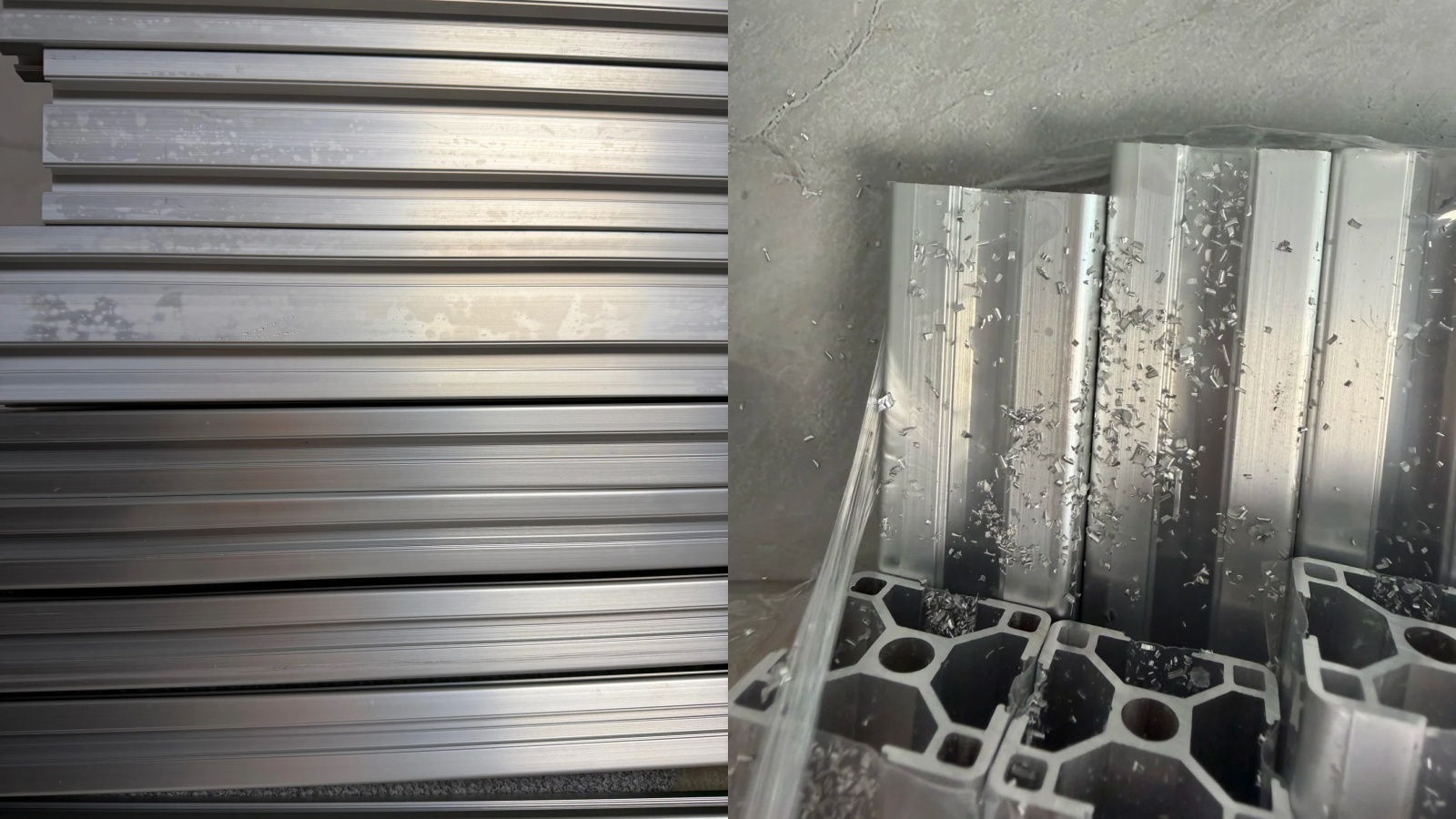
FAQs on CNC Machining of Aluminum Alloy
Q1: What is the best cutter for aluminum CNC machining?
A1: 2-flute or 3-flute uncoated carbide end mills are the preferred choice. Tools with large chip space can effectively avoid aluminum adhesion.
Q2: What are common problems in aluminum CNC processing?
A2: The typical defects include tool sticking, burr, thin-wall deformation, bad surface finish and unstable dimension caused by thermal expansion.
Q3: Difference between 6061 and 7075 CNC machining?
A3: 7075 aluminum has higher hardness, faster tool wear. We need to reduce spindle speed and pay attention to cooling compared with 6061 aluminum.
Stable aluminum CNC machining quality relies on reasonable material selection, proper tools, optimized cutting parameters and standardized on-site operation. If you are looking for a reliable supplier of custom aluminum CNC machining parts, we provide processing service for 5052, 6061, 6063, 7075 aluminum alloy, supporting prototype processing and mass OEM production. Send your CAD drawings and technical requirements, and we will offer professional solution and accurate quotation within 24 hours.






 Phone
Phone
Comment
(0)