Basic Knowledge of CNC machining: Its Development, Processing Modes and Industrial Materials
Have you ever wondered how car parts and even key parts of the space shuttle are made?
The answer may be hidden in a technology that sounds a bit tall-CNC machining. Don't panic In fact, CNC machining is not so mysterious. It is like a "sculptor" who lets the machine cut and shape various materials accurately according to the instructions.
Want to know what it is? This article will take you from scratch and easily understand what CNC machining is!
What is cnc machining?How Did CNC Machining Develop?
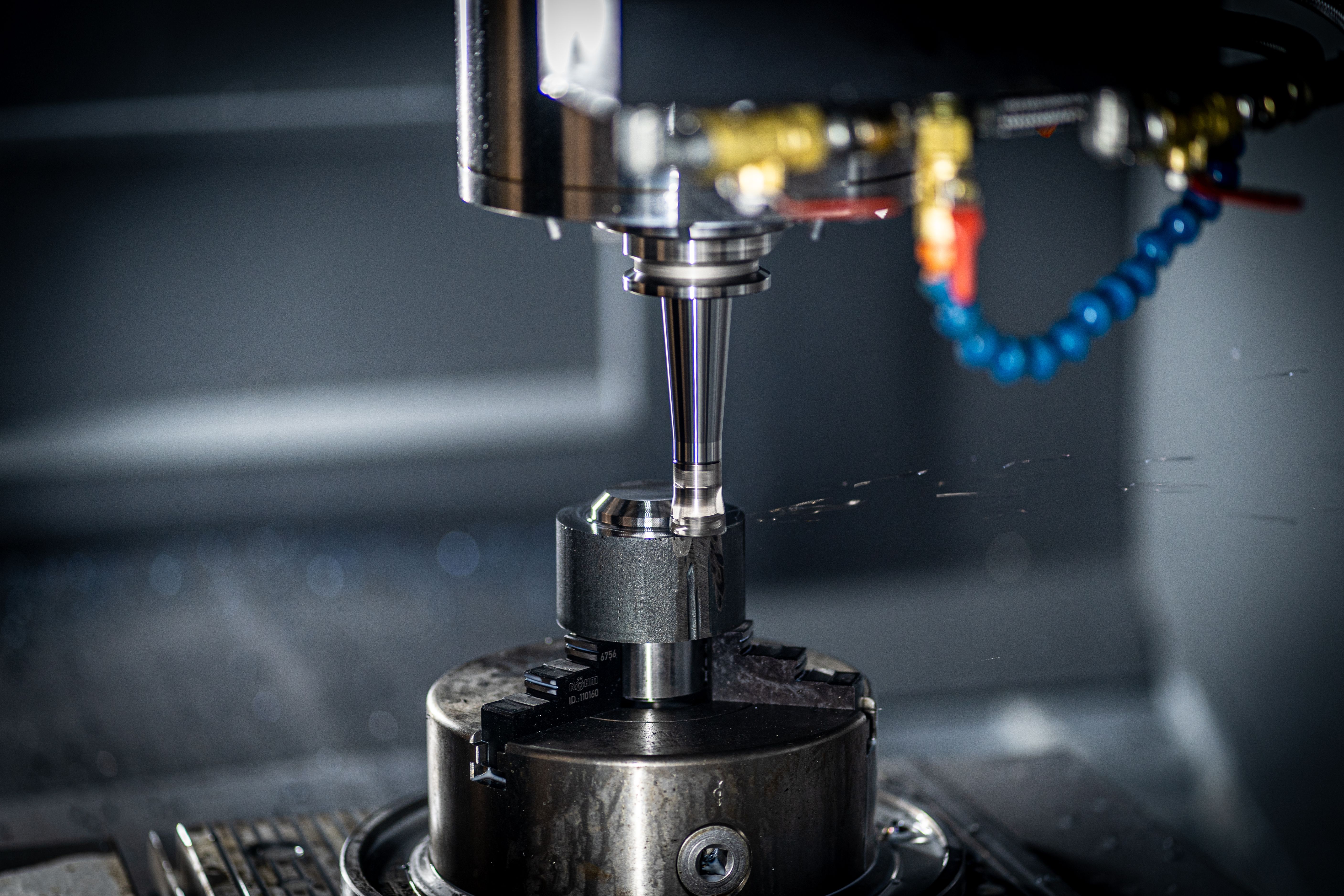
CNC machining (Computer Numerical Control Machining) is an advanced automatic manufacturing technology, which accurately controls the movements of machine tools and tools through pre-programmed computer instructions, removes materials from workpieces, and shapes parts or products that meet the design requirements.
The core of CNC is to use digital design model (usually created by CAD software) to generate recognizable instructions (G code and M code) of machine tools, and to control the motion trajectory of cutting tools on X, Y and Z axes.
The rudiment of CNC machining can be traced back to ancient hand carving and machining, but the birth of modern CNC technology began in the 1940s. In 1949, John T. Parsons developed a technology for the US Air Force to control the movement of machine tools through motors for manufacturing helicopter blades and aircraft frames, which laid the foundation for Numerical Control, NC).
In the late 1950s, MIT cooperated with the US Air Force to carry out a project aimed at further improving manufacturing efficiency and accuracy. This cooperation led to the invention of computer numerical control (CNC) technology, which used computer-generated data to control machine tools instead of punched cards.
In 1972, computer aided design (CAD) and computer aided manufacturing (CAM) systems began to appear. CAD software allows engineers to create detailed 3D model designs, while CAM software converts these designs into CNC machine-readable instructions. In 1976, Computer Aided Design (CAD) and Computer Aided Manufacturing (CAM) systems were incorporated into CNC machining. In 1989, machine tools controlled by CAD and CAM software became the industrial standard of CNC machine tools.
What Are The Different Types of CNC Machining Processing Methods?
CNC machining covers a variety of processes, and each process is aimed at specific material and part requirements. The main types include: CNC milling, CNC Turning, CNC drilling and CNC grinding.
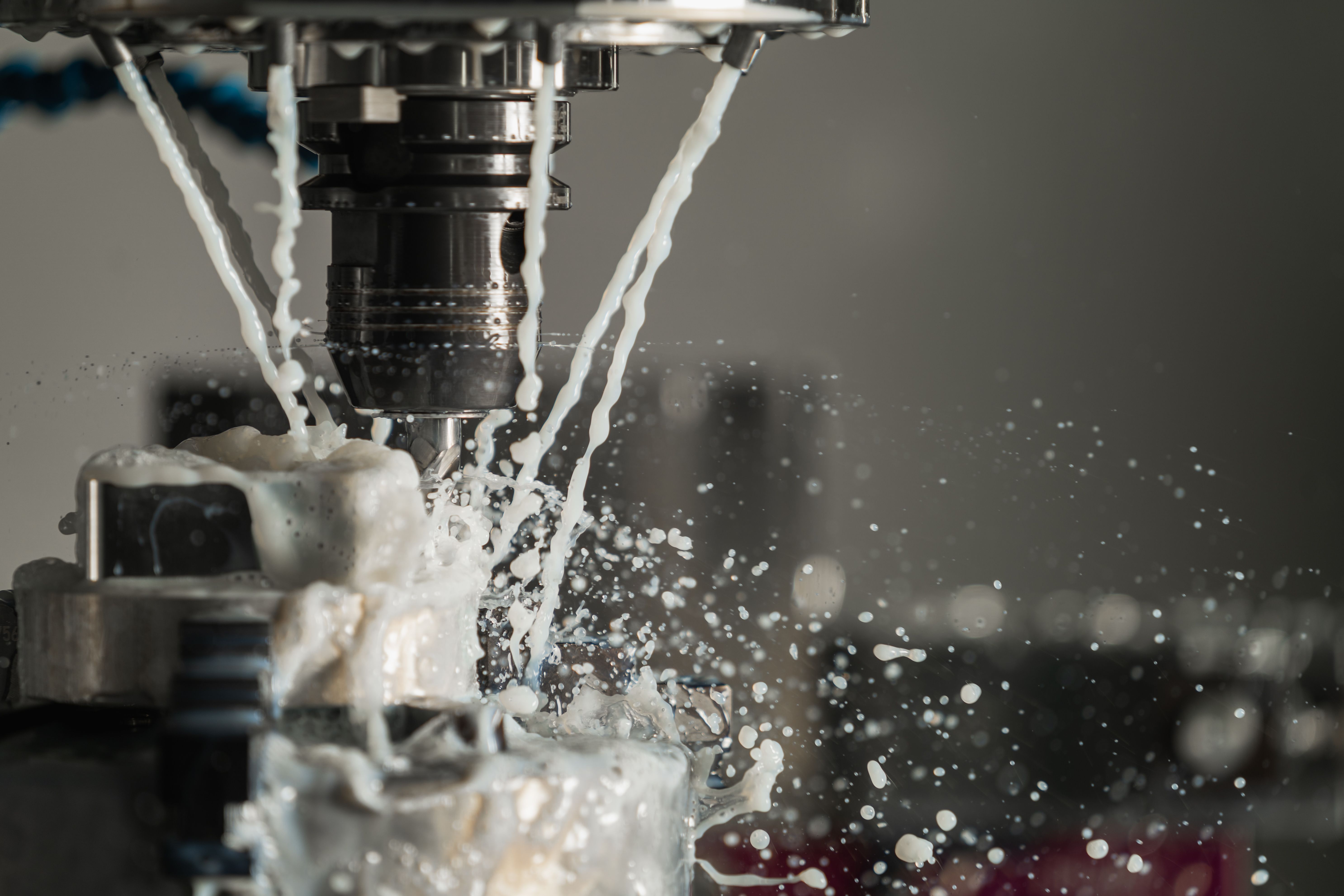
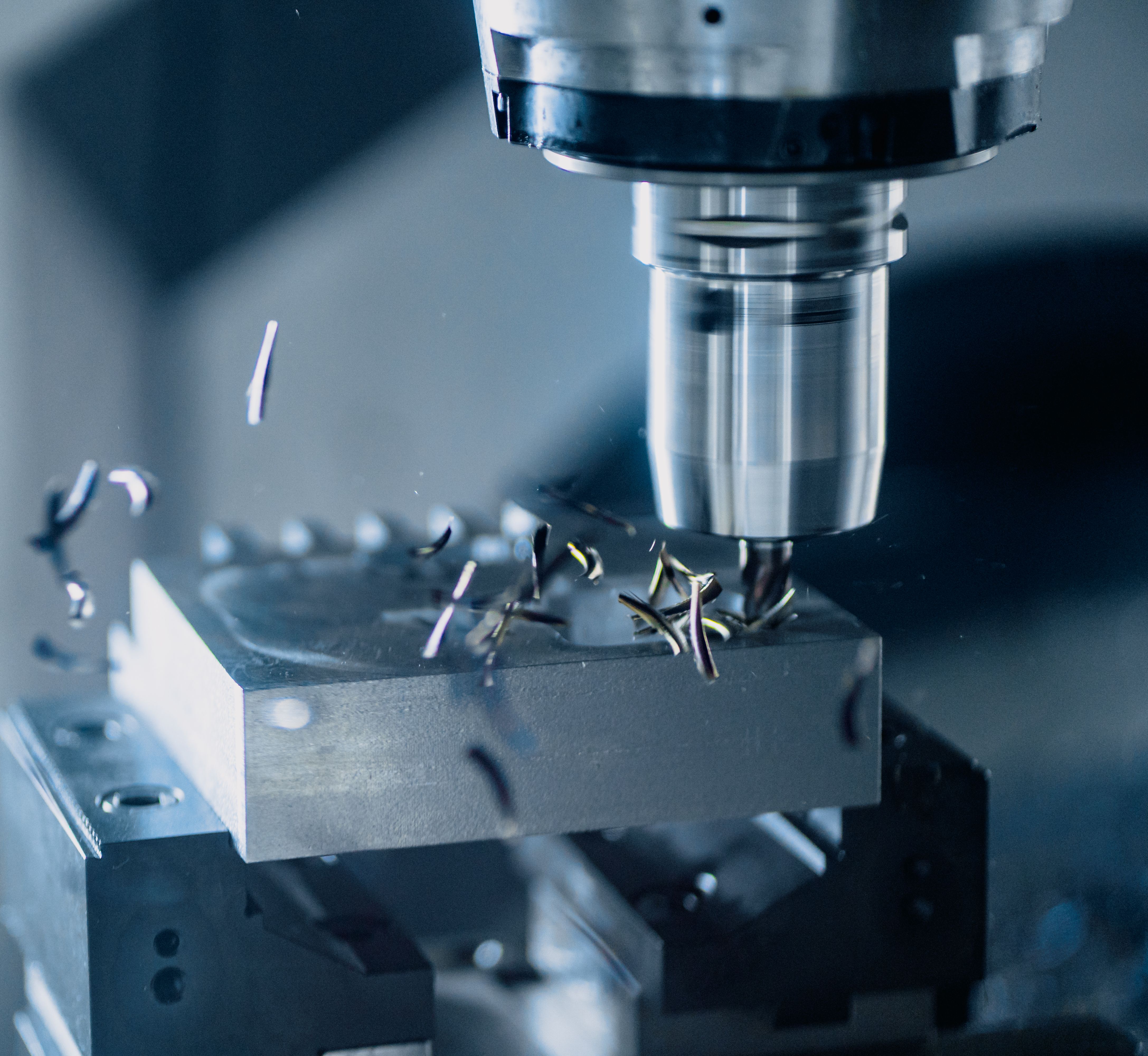
CNC milling: CNC milling uses a milling cutter to remove the material from the workpiece and accurately process it according to the required specifications. The workpiece is usually fixed in a certain position, and the cutting tool moving at high speed removes material from the workpiece. CNC milling machine can use a variety of cutting tools, each tool has a different purpose. Some typical cutting tools include end mills, reamers, end mills, taps, etc. CNC milling is suitable for machining planes, notches, holes and complex surfaces. For example, machining a mold may require a 5-axis milling machine to achieve multi-angle cutting.
CNC turning: CNC turning fixes materials such as metal or plastic on the rotating chuck, and the cutting tool evenly removes the rotating workpiece materials until the required shape is formed. CNC turning is suitable for producing cylindrical or symmetrical parts.
CNC drilling: CNC drilling uses a rotary drill to create holes in the workpiece, with simple process and high efficiency. For example, the mounting holes on the circuit board are usually completed by CNC drilling.
CNC grinding:CNC grinding uses high-speed grinding wheel to finish the workpiece surface and obtain high finish, which is often used in precision parts such as bearings and gears. The type of grinding wheel (such as diamond or alumina) is selected according to the material.
Other CNC machining processes
laser cutting: using laser beam to cut metal, plastic or wood, the accuracy can reach 0.1 mm.
Plasma cutting: cutting conductive materials by high temperature plasma arc, suitable for thick steel plate.
Water knife cutting: using high-pressure water flow to cut a variety of materials, no heat affected zone, suitable for stone and glass.
Electrical discharge machining (EDM): Material is melted by EDM, which is suitable for machining complex molds.
What Materials Can Be Processed by CNC?
CNC machining supports a variety of materials to meet the needs of different industries:
aluminium alloy
Aluminum alloy is a widely used metal material with the characteristics of light weight, high strength, easy processing and good corrosion resistance. The density of aluminum is about 2.7g/cm³, which is only one third of that of copper and steel. Commonly used aluminum alloy brands include: 1060, 2A12, 2024, 5052, 6061, 6063, 7075, etc. Stainless steel is an alloy steel composed of several metals in different proportions. It mainly contains carbon, iron, chromium, nickel, molybdenum and other metals, and the proportion of chromium must be greater than 10.5% before it can be called stainless steel.
stainless steel
It has high strength, high ductility, wear resistance and corrosion resistance, and is easy to weld, process and polish. Different proportions of stainless steel have different characteristics and uses. Commonly used stainless steel brands include: 301, 303, 304, 304L, 316, 316L, 420, 430,440C,17-4PH, etc.
Brass
Brass is a copper alloy composed of copper and zinc, which has the characteristics of ductility, wear resistance, corrosion resistance, easy processing and easy conduction. Commonly used brass brands include H59, H62, etc.
titanium alloy
Titanium alloy is a good material for CNC machine tools because of its high strength and light weight. It is not easy to rust and can be safely used in human body (biocompatible). Commonly used titanium alloy brands include: TA1,TA2, TA5, TC4, etc.
ABS- engineering plastics
ABS is a combination of three compounds: Acrylonitrile, Butadiene and Styrene. Its English initials are called ABS, and its Chinese full name is "acrylonitrile-butadiene-styrene". ABS combines the material characteristics of three compounds, and has the characteristics of oil resistance, high stability, toughness, impact resistance, transparency, colorless, good fluidity and low density. In CNC machining, it is often used in electronic and electrical housings, automobile parts, mechanical tools, Lego, clothes buttons, cabinets, stationery, safety helmets, battery boxes and so on.
PC- polycarbonate
Polycarbonate is a plastic material with high toughness, high impact strength (higher than ABS), transparency, colorless, heat resistance, easy processing and easy coloring.
POM- Saigang
Polyformaldehyde resin, also known as Saigang. High tensile strength, impact resistance, strong corrosion resistance to gasoline, solvents and other chemicals, and physical properties similar to those of metals, making it the easiest to process among all plastic materials. Saigang is often used in automobile, household appliances, construction, electronics, sanitary products and other fields.
PTFE- teflon
PTEE(Polytetrafluoroethene), commonly known as Teflon, has excellent weather resistance, insulation, wear resistance, non-stick and acid and alkali resistance, so it is known as the king of plastics. It is also one of the few plastic materials that can endure the high temperature of 200℃.
HDPE- high density polyethylene
HDPE(High Density Polyethylene) has the characteristics of good chemical tolerance, strong toughness, strong elasticity, good weather resistance, easy processing, low cost and contact with food.
PEEK- polyether ether ketone
PEEK(Polyetheretherketone) has high heat resistance, chemical resistance, high temperature over 260℃, and can be used in harsh environment for a long time. PEEK is more expensive than other plastic materials.
Advantages of CNC machining
High precision: CNC-processed parts have precise specifications, which do not need the continuous attention of experts and operators. Because it is controlled by computer, the possibility of human error is almost negligible. CNC machining tolerance can reach up to ±0.005mm, which can meet the high demand industries such as aviation and medical treatment.
High efficiency: Automatic NC machining method minimizes the need for manual intervention, thus achieving faster and more consistent production in the whole manufacturing cycle. Through pre-programmed instructions, CNC machine tools can copy the same parts repeatedly. For example, traditional manual machining of a part may take several hours, while CNC machining only takes a few minutes.
Machining of complex geometric shapes: CNC machine tools provide up to 6 machining axes, providing the ability to manufacture complex parts. Generally, manufacturing parts by machine requires multiple settings to manufacture all features. Higher shaft capacity reduces the number of required settings, thus enhancing the potential of manufacturing highly complex NC machining parts. For example, 5-axis machining can cut angles beyond the capacity of 3-axis machines.
CNC machining application scenario
CNC machining is indispensable in many industries. The following are the main application scenarios:
Aerospace: produce high-precision parts, such as turbine blades and landing gear, to ensure lightweight and safety.
Automobile manufacturing: manufacturing engine cylinder block, transmission shaft and interior parts to improve performance and fuel efficiency.
Medical equipment: produce orthopedic implants and surgical instruments to meet the requirements of biocompatibility.
Electronics industry: processing circuit board brackets, radiators and equipment shells to meet the requirements of miniaturization and high heat dissipation.
Architecture and Art: Carve complex stone patterns, such as marble countertops, to enhance the decorative effect.
Robot and automation: rapid prototyping, supporting the development of robot joints and shells.
About us
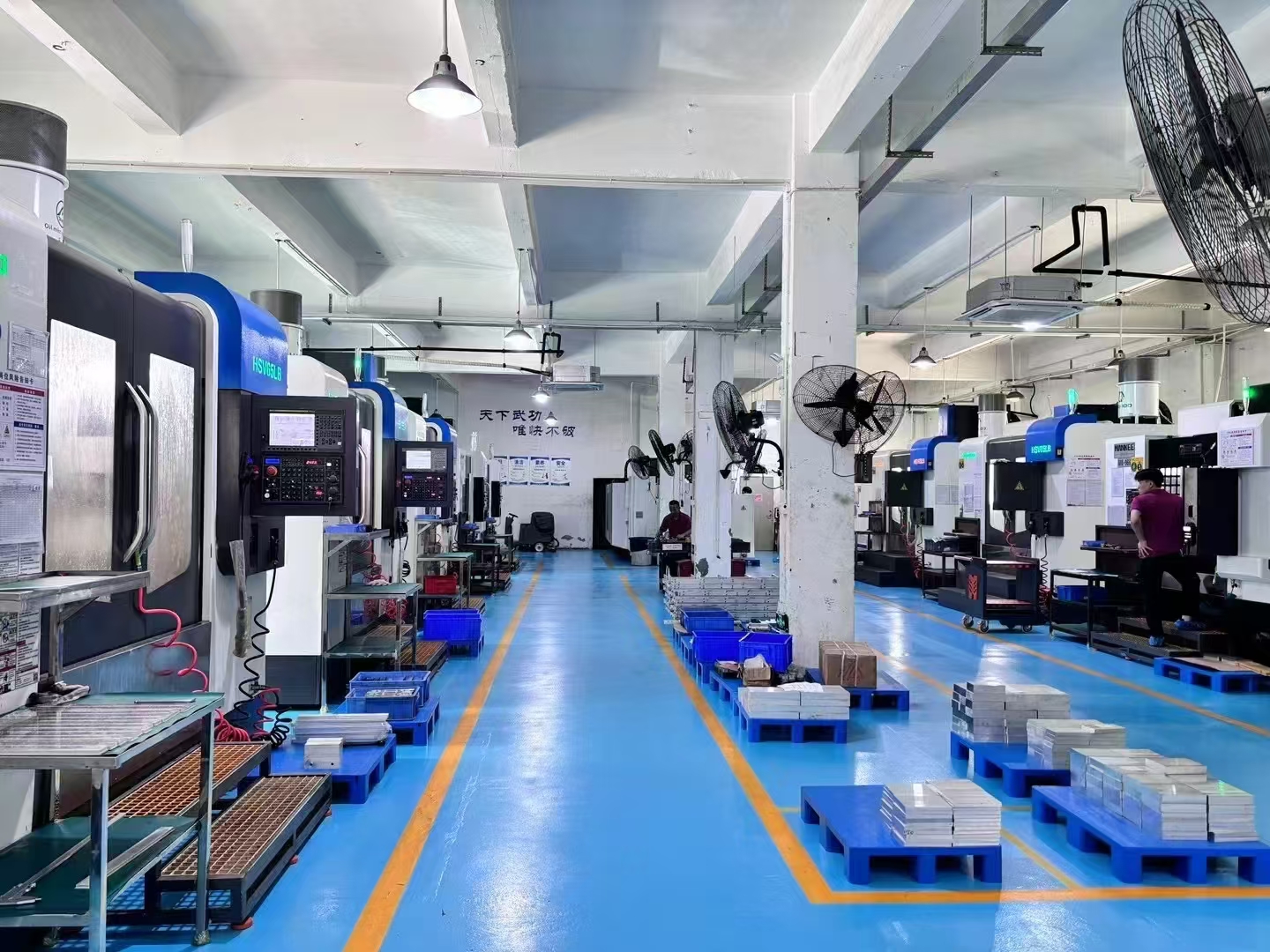
Founded in 2017, Shenzhen KONSTUN Precision Technology Co., Ltd. is a professional manufacturer specializing in Precision Machining and custom manufacturing solutions. With extensive experience in CNC machining, Swiss-type lathe machining, turn-mill combined machining, sheet metal fabrication, mold manufacturing, injection molding, vacuum casting, and 3D printing.






 Phone
Phone
Comment
(0)