


CNC Aluminum Components
Certainly — here is a 500-word English description of CNC Aluminum Components without any company name:---CNC Aluminum ComponentsCNC aluminum components are precision-engineered parts manufactured through computer numerical control (CNC) machining processes. Aluminum is one of the most widely used materials in modern manufacturing because of its excellent combination of lightweight properties, strength, corrosion resistance, and machinability. These characteristics make it ideal for producing high-performance components across a broad range of industries, including automotive, aerospace, electronics, robotics, medical devices, and industrial equipment.The CNC machining process allows aluminum components to be manufactured with exceptional accuracy and consistency. By using automated machine tools controlled by digital design files, manufacturers can produce parts with tight tolerances, complex geometries, and highly repeatable dimensions. This level of precision is especially important for applications where even minor variations can affect performance, reliability, or assembly. CNC machining also enables the production of custom parts in both small and large quantities, making it a flexible solution for prototyping and mass production alike.Aluminum offers several advantages that make it a preferred material for CNC machining. Its low density helps reduce overall product weight, which is critical in industries such as aerospace and transportation where efficiency and fuel savings are important. At the same time, aluminum provides good mechanical strength and durability. Many aluminum alloys also offer excellent thermal and electrical conductivity, making them suitable for heat sinks, enclosures, connectors, and other electronic applications. In addition, aluminum naturally resists corrosion, and it can be further enhanced through surface treatments such as anodizing, powder coating, polishing, and sandblasting.CNC aluminum components can be produced in a wide variety of shapes and sizes, ranging from simple brackets and housings to highly complex structural elements and functional assemblies. Common machining operations include milling, turning, drilling, tapping, and threading. Advanced multi-axis CNC machines can create intricate features and detailed contours with minimal human intervention. This improves efficiency while reducing the risk of errors and material waste.Another key benefit of CNC aluminum components is their adaptability. Designers and engineers can quickly modify digital models to improve performance, reduce cost, or meet changing requirements. This makes CNC machining especially valuable during product development, where rapid iteration and testing are often necessary. Because aluminum is relatively easy to machine, it also helps shorten production lead times compared with harder materials.Quality control is an essential part of manufacturing CNC aluminum components. Each part must be inspected to ensure it meets dimensional, functional, and surface finish requirements. Modern inspection methods such as coordinate measuring machines, digital gauges, and visual checks help maintain high standards throughout production. A well-made aluminum component not only performs reliably but also contributes to the overall appearance and professionalism of the final product.In summary, CNC aluminum components combine precision, durability, lightweight performance, and design flexibility. Their versatility and manufacturability make them a practical choice for many industries. Whether used in advanced technology, consumer products, or heavy-duty machinery, CNC-machined aluminum parts continue to play a vital role in modern engineering and manufacturing.---If you want, I can also make it:1. more professional and technical2. more suitable for a website product page3. more SEO-friendly
Products
Category:
-
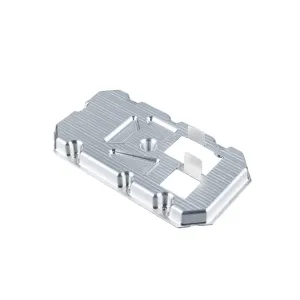
Custom Aluminum CNC Machined Parts
Category: CNC Metal PartsBrowse number: 99Number:Release time: 2026-06-15 10:36:05Compared with stainless steel and some high-hardness alloys, aluminum is easier to machine and more suitable for producing precision parts with complicated structures, small holes, fine details, and smooth surface finishes. In many electronic and industrial applications, aluminum components are preferred because they combine lightweight performance with good strength and long-term durability.
News
Category:
No search results found!
Case
Category:
No search results found!
Video
Category:
No search results found!
Download
Category:
No search results found!
Job
Category:
No search results found!
Featured Products
No search results found!




 Phone
Phone